AI Code Review Tools in 2026: 13 Compared on Depth and Price
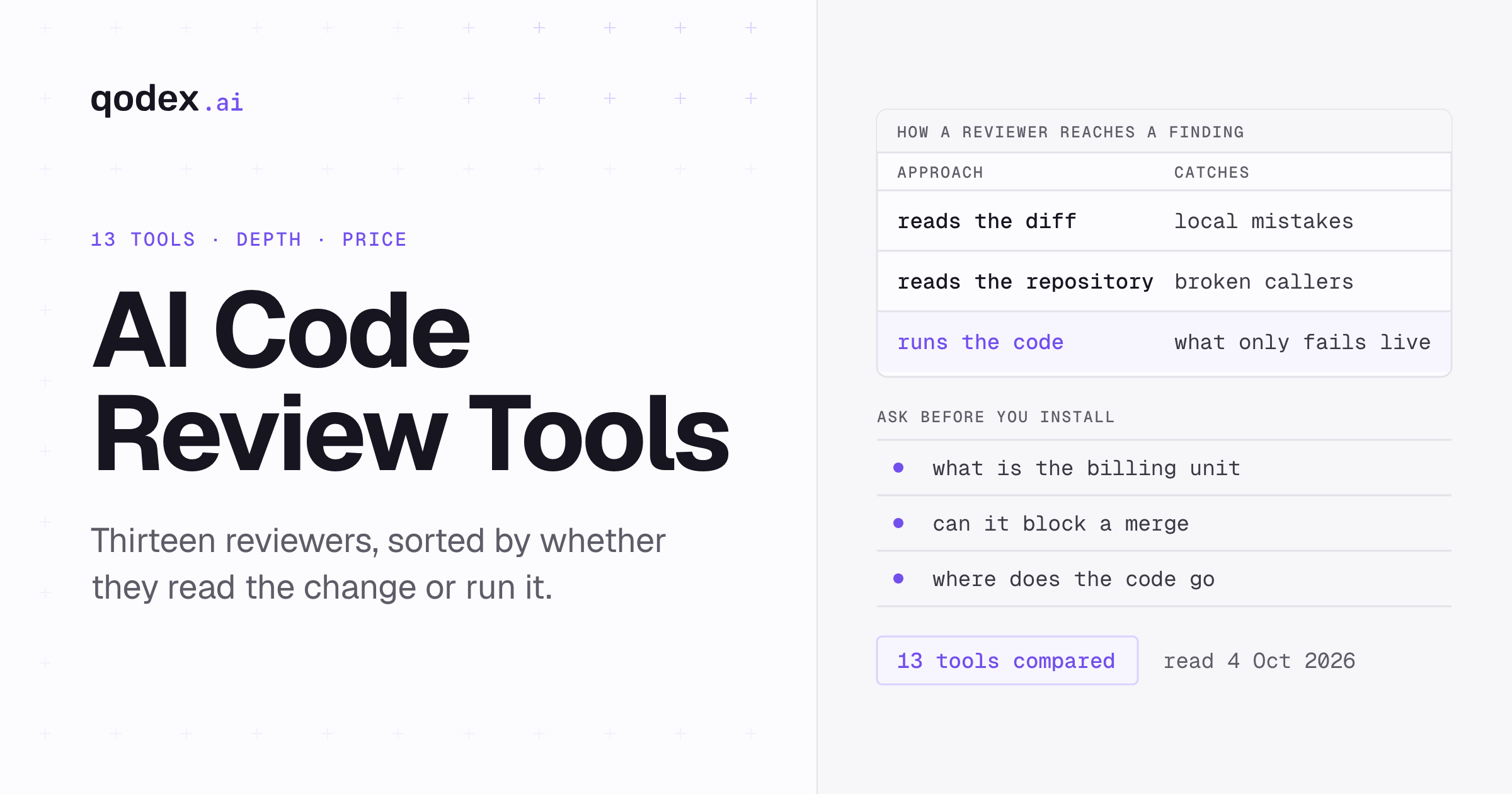
AI code review tools read a pull request and post review comments before or beside a human reviewer. They differ in how far they see: the diff, the whole repository, a fixed rule set, or a running build. Qodex runs live probes against the preview. CodeRabbit, Greptile and Qodo are the reviewers named most in the ten roundups our search returned. Choose by Git host, review depth and billing unit.
Qodex publishes this page and lists itself first. Every other tool earned its place by the method below, and every price was read on the vendor's own page on 4 October 2026.
AI Code Review Tools at a Glance
| Tool | What it reads or runs | Git hosts | Paid start, read 4 Oct 2026 | Free option |
|---|---|---|---|---|
| 1. Qodex | Static analyzers, every changed file in full, code graph, two models, live probes on the preview | GitHub | $30 per developer a month, 50 reviewed PRs per seat, pooled | 20 reviewed PRs per developer a month, up to 2 developers |
| 2. CodeRabbit | Diff with repository context, plus linters and SAST tools | GitHub, GitLab, Bitbucket, Azure DevOps | $24 per developer a month, billed annually | Public repositories; 14-day trial |
| 3. Greptile | Whole-repository graph; TREX (beta) runs the code in a sandbox | GitHub, GitLab, Bitbucket, Gitea | $30 per seat a month, 50 credits per seat | One developer, 50 credits a month |
| 4. Qodo | Diff with repository context, cross-repo review | GitHub, GitLab, Bitbucket, Azure DevOps | $30 for 2,500 credits, about 18 reviews | 14-day trial |
| 5. GitHub Copilot code review | Diff with full project context, run on GitHub Actions | GitHub, Azure DevOps (preview) | Pro $10 a month, review spends AI Credits | Not on the Free plan |
| 6. Cursor Bugbot | Diff with repository context | GitHub, GitLab, Bitbucket, Azure DevOps | Cursor Pro $20 a month, Bugbot billed by usage | 14-day trial |
| 7. Claude Code Review | Several agents on the diff and surrounding code, then a verification step | GitHub | Billed by tokens, $15 to $25 per review on average | None shown |
| 8. Graphite | AI review inside a stacked pull request workflow | GitHub | $20 per user a month billed annually; unlimited AI reviews at $40 | Hobby, limited AI reviews |
| 9. Sourcery | Diff review plus security checks | GitHub, GitLab | $12 per developer a month annually, $15 monthly | Public repositories; 14-day trial |
| 10. Bito | Codebase-aware review | GitHub, GitLab, Bitbucket | From $12 per seat a month, 5,000 lines per seat | 14-day trial on Professional |
| 11. DeepSource | Static analysis first, AI review metered by lines | GitHub, GitLab, Bitbucket, Azure DevOps | $24 per user a month billed yearly, plus AI review by lines | Open Source plan; 14-day trial |
| 12. SonarQube with Gitar | Rule-based analysis; Gitar reviews and iterates until CI passes | Sonar: GitHub, GitLab, Bitbucket, Azure DevOps; Gitar: GitHub, GitLab | Sonar from $34 a month; Gitar $20 per user a month annually | Sonar to 50,000 lines; Gitar for open source |
| 13. Codacy | Static analysis, quality gates, AI reviewer | GitHub, GitLab, Bitbucket | $18 per developer a month yearly, $21 monthly | Open-source projects |
"What it reads or runs" is the column that decides which bugs a tool can find. A diff reviewer predicts from the text of the change. A repository-aware reviewer sees callers in other files. A tool that runs the code can show a failure instead of predicting one. Prices are not comparable at sight: seats, credits, tokens and processed lines buy different amounts of review. Each price links to its vendor page under the tool's own heading below.
How We Chose These 13 Tools
A roundup that ranks by feature count tells you nothing about your pull requests, and Qodex did not run a new comparative test for this page. What we can show is how the list was built, so you can check it.
The pool. We read the first ten roundups our search for "ai code review tools" returned on 4 October 2026 and counted how many named each tool.
The cut. A tool named by at least four of the ten made the shortlist. Fifteen did.
The job test. It has to post AI review comments on pull requests, alone or as part of a code quality platform. Security-only scanners and coding editors were dropped.
The price test. Its pricing page had to show a price we could read on the day. A tool whose price we could not see is out, because a reader cannot budget for it.
The house entry. Qodex is added first because we publish the page. It was not part of the count.
| Tool | Roundups naming it, of 10 | On this list? | Why not |
|---|---|---|---|
| CodeRabbit | 9 | Yes | |
| Greptile | 9 | Yes | |
| Qodo | 9 | Yes | |
| GitHub Copilot code review | 8 | Yes | |
| PR-Agent | 6 | No | Open source with no hosted price; see the FAQ |
| Graphite | 6 | Yes | |
| Sourcery | 6 | Yes | |
| Bito | 6 | Yes | |
| DeepSource | 6 | Yes | |
| Cursor Bugbot | 5 | Yes | |
| SonarQube (with Gitar) | 5 | Yes | |
| Codacy | 4 | Yes | |
| Claude Code Review | 4 | Yes | |
| CodeAnt AI | 4 | No | Its pricing page showed no prices to our reader on 4 October 2026 |
| Snyk Code | 4 | No | A security scanner; see Snyk AI code review |
The count measures how often a tool is shortlisted, not how well it reviews. Frequency picks the candidates; the sections below say what each one does and costs. If you want a measured answer, run the seven steps in how to do code reviews using AI on pull requests where you already know the bugs.
What the Published Benchmark Shows
One public benchmark exposes its cases. Greptile tested five hosted tools against 50 bugs from five open-source repositories, on default settings:
| Tool | Catch rate |
|---|---|
| Greptile | 82% |
| Cursor Bugbot | 58% |
| GitHub Copilot | 54% |
| CodeRabbit | 44% |
| Graphite | 6% |
Read the caveats with the numbers. Greptile ran the study and finished first. The page says "this evaluation was conducted in July 2025, and these tools evolve quickly, so performance may change over time." It also says false positives and style suggestions did not affect the catch rate, so a noisy tool looks better there than on your pull requests. Read on 4 October 2026. We found no independent study that covers all 13 tools under one protocol.
The 13 AI Code Review Tools in 2026
1. Qodex
Qodex reviews a pull request against a running system rather than the text of the patch. More than a dozen static analyzers, a full read of every changed file, a blast-radius pass, two frontier models, and live probes against the preview. Six passes before a single comment is posted.
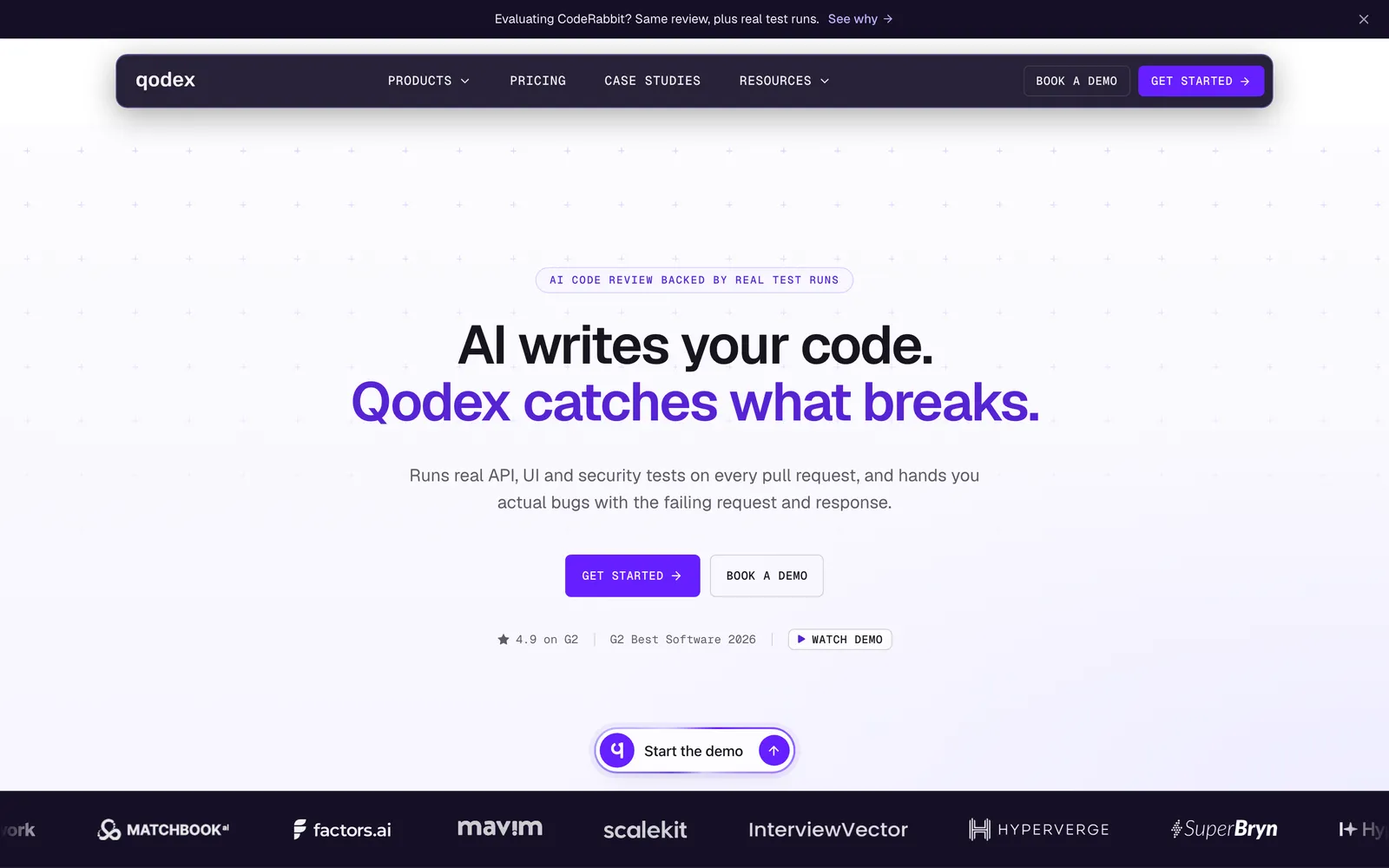
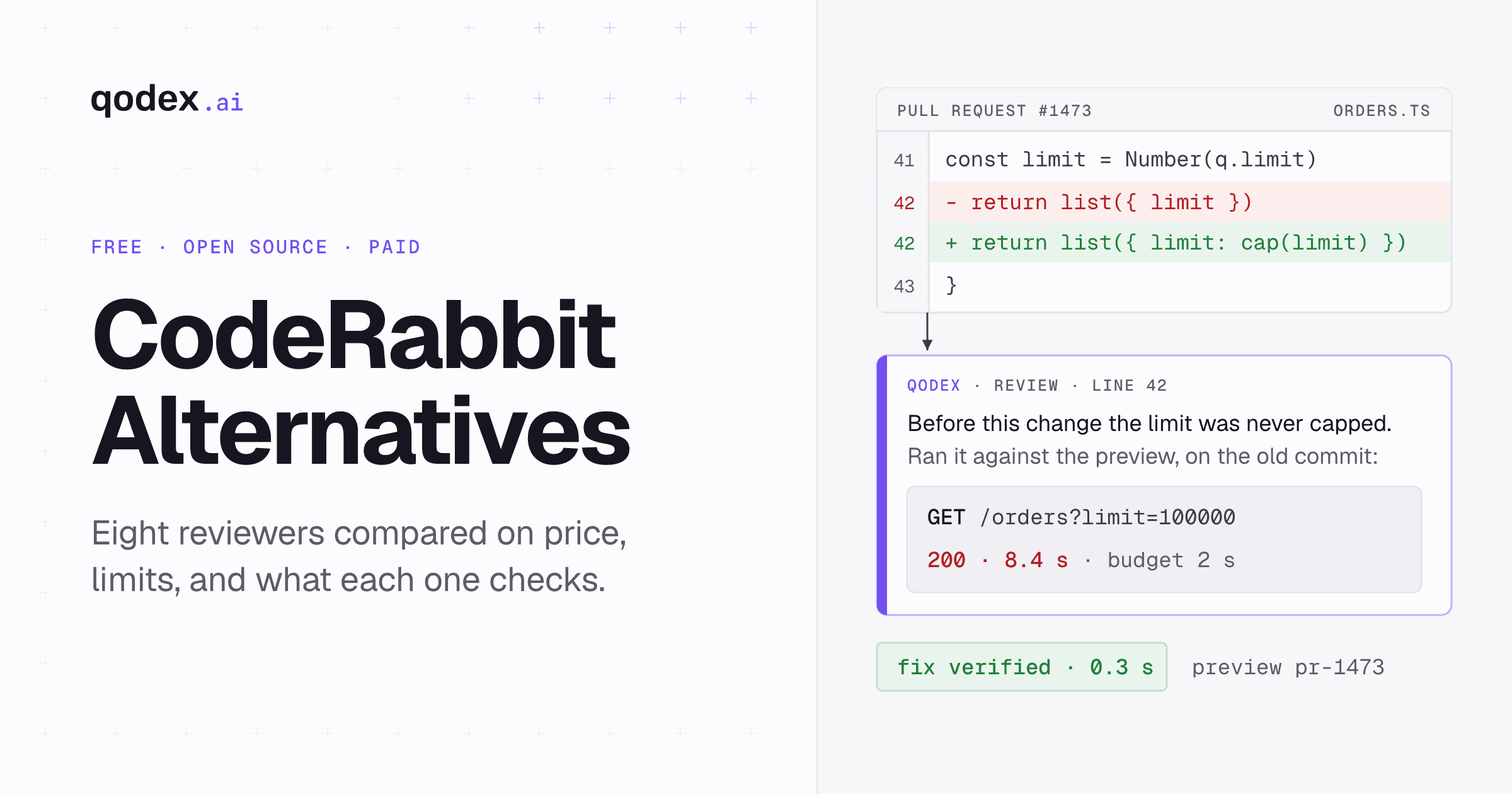
The probe step is what separates it. A tenant id read from the request body instead of the session reads as a clean diff; a live probe against the preview returns another organization's invoices and the finding is verified. A Check Run posts with every review, and .qodex.yaml decides whether it blocks the merge.
Pricing: Free covers 20 reviewed pull requests per developer a month, for up to 2 developers. Pro is $30 per developer per month, 50 reviewed pull requests per seat, pooled across the team, with a 14-day free trial and no card. Developers with fewer than 3 reviewed pull requests a month are free, and extra pull requests are $1 each. The app has read access to pull requests, not write access to your source, and your code is never used to train models. Source: Qodex pricing.
Best for: teams whose expensive bugs are authorization regressions, cross-service breaks, and endpoints that type-check but fail on a real request. Main limit: a repository with no preview deployment gets less from the probes. Connect a repository free.
Qodex (qodex.ai) is a different company from Qodo (qodo.ai, formerly Codium), entry 4.
2. CodeRabbit
CodeRabbit is named by nine of the ten roundups we read. Its Essentials plan lists agentic reviews on pull requests and the CLI, one-click fixes, learnings, agentic chat, and linter and SAST tool support. The higher plans add triage, custom pre-merge checks and, on Advanced, blast radius analysis. It caught 22 of 50 bugs in the Greptile study.
Pricing: Essentials is $24, Team $48 and Advanced $72 per developer per month, billed annually. Every plan has a 14-day trial, and reviews beyond the included limits are "optional usage-based billing with a configurable monthly spending cap." Public repositories get free reviews. Source: CodeRabbit pricing, read 4 October 2026.
Best for: teams that want a polished reviewer with chat and fixes and little setup. Main limit: it predicts from the change; nothing on its pricing page says it runs your code. See our CodeRabbit alternatives guide.
3. Greptile
Greptile "Builds a graph of your repo - files, functions, and dependencies," in its homepage's words, and reviews each change against it, which suits bugs that cross files. Its TREX agent, in beta, goes further: "TREX installs your dependencies, starts the services the change touches, and exercises the code with targeted tests." It led its own benchmark with 82 percent.
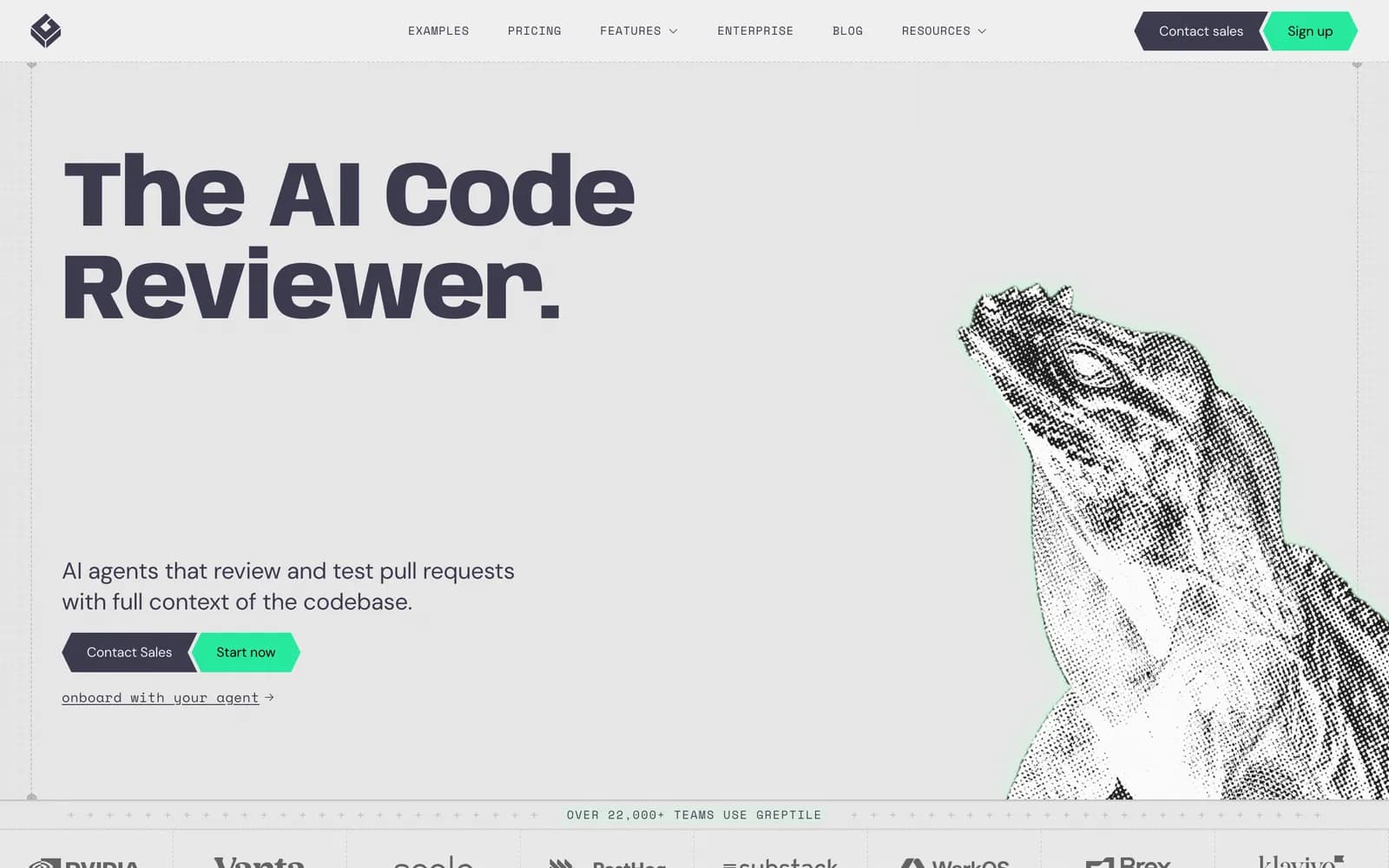
Pricing: Starter is free for one active developer with 50 credits a month. Pro is $30 per seat per month with 50 credits per seat and a 14-day trial; extra credits are $1 each. A base review costs 1 credit, a Plus review 3 and an Apex review 10. Qualified non-commercial open-source projects are free. Source: Greptile pricing, read 4 October 2026.
Best for: large, coupled codebases where a change in one module breaks a caller elsewhere. Main limit: credit arithmetic. Fifty credits buy five Apex reviews, so deep review on every pull request adds up. See our Greptile alternatives guide.
4. Qodo
Qodo (formerly Codium) sells multi-agent code review with a rules system, cross-repo review and a CLI toolbox for coding agents. Its homepage names GitHub, GitLab, Bitbucket and Azure DevOps, with Gerrit on Enterprise.
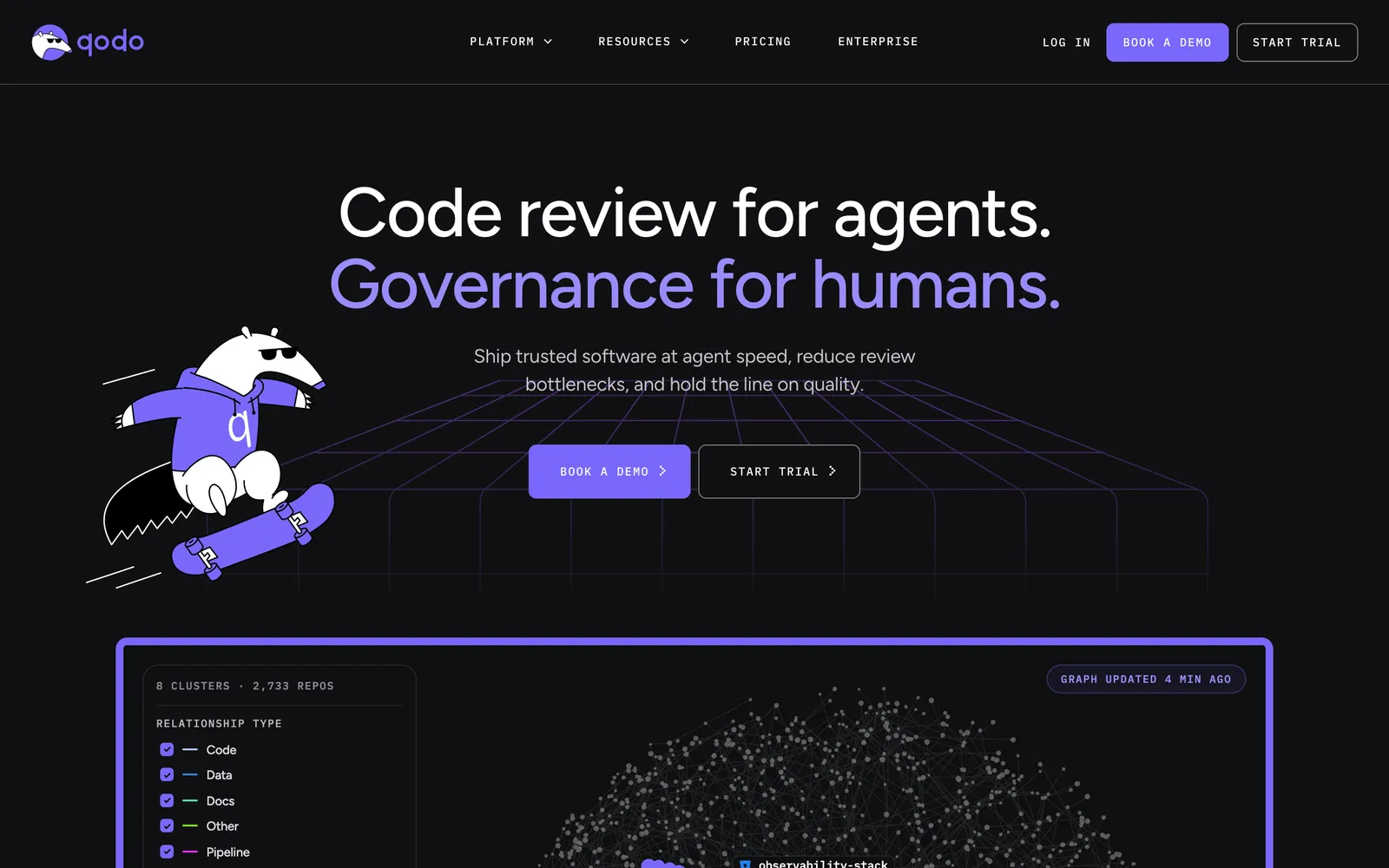
Pricing: Pro Team is $30 a month for 2,500 credits, which Qodo estimates at about 18 reviews. Credits cost $.012 each, pool across the team, and come in packs of 2,500, 5,000 and 20,000. The plan is designed for up to 30 users, with a 14-day trial. SSO, audit logs, bring-your-own model keys and on-premises deployment are Enterprise only. Source: Qodo pricing, read 4 October 2026.
Best for: teams with uneven review volume, since credits pool rather than tie to seats. Main limit: about 18 reviews for $30 is a high price per review for a busy team. See our Qodo alternatives guide.
5. GitHub Copilot Code Review
GitHub Copilot code review is the shortest path to an AI reviewer if your code lives on GitHub. Request Copilot under Reviewers, or turn on automatic review in a ruleset. GitHub's documentation says it "uses GitHub Actions to run the agentic capabilities, including full project context gathering." It caught 27 of 50 bugs in the Greptile study.
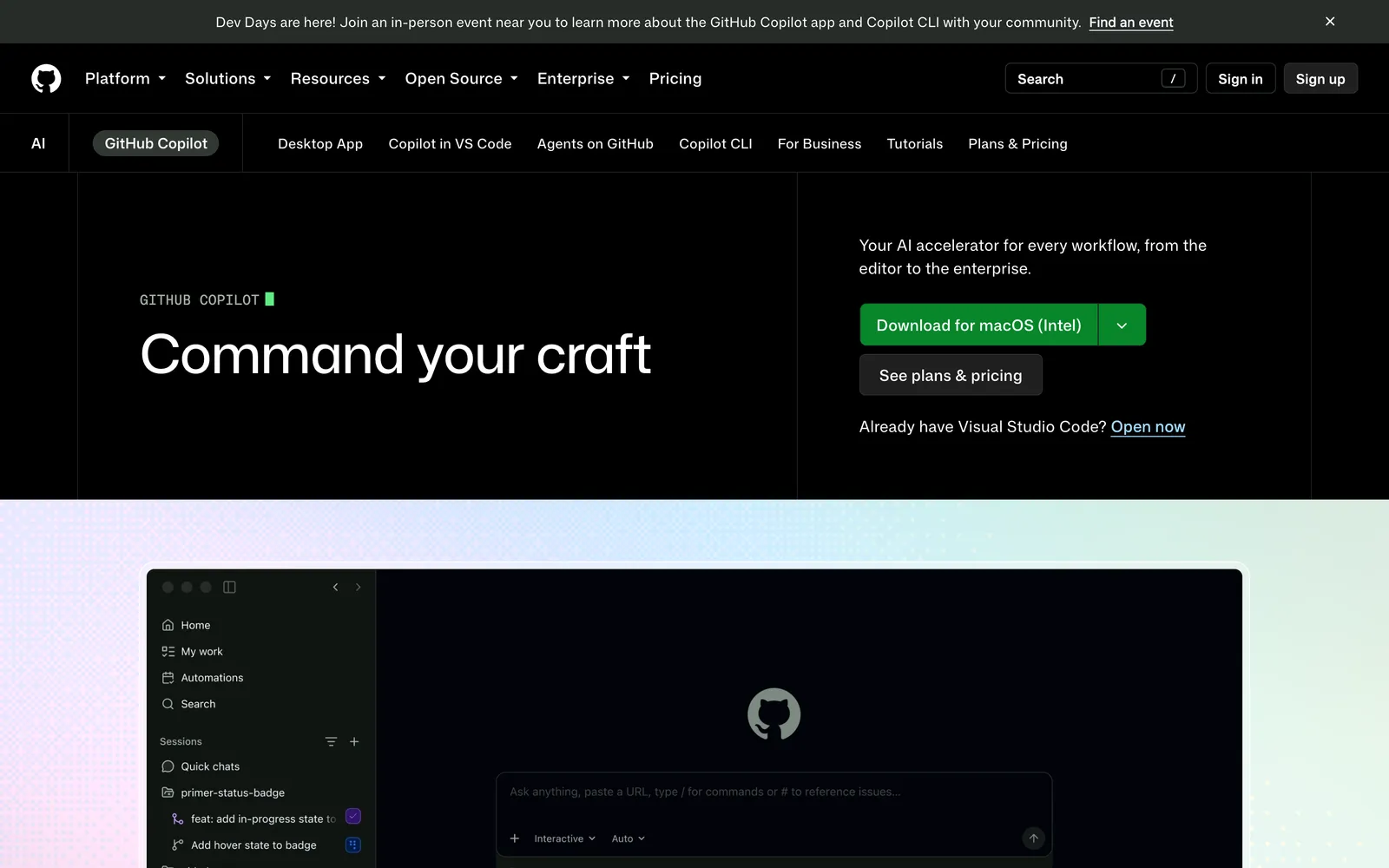
Pricing: pull request review is not included on the Free plan. Pro is $10 a month with $15 of GitHub AI Credits in total, Pro+ $39 and Max $100. GitHub estimates a review at $0.05 to $1 of credits on "Lite" effort and $0.25 to $5 on "Balanced", not counting Actions minutes. Sources: Copilot plans and the code review documentation, read 4 October 2026.
Best for: teams on GitHub who want a first pass with no new vendor. Main limit: two meters, credits and Actions minutes, and GitHub's page does not say it runs your tests. Off GitHub, start with our GitLab AI code review guide.
6. Cursor Bugbot
Cursor Bugbot is Cursor's pull request reviewer. Its documentation connects GitHub, GitLab, Bitbucket and Azure DevOps, and Bugbot Autofix "automatically spawns a Cloud Agent to fix bugs found during PR reviews." It caught 29 of 50 bugs in the Greptile study, second of five.
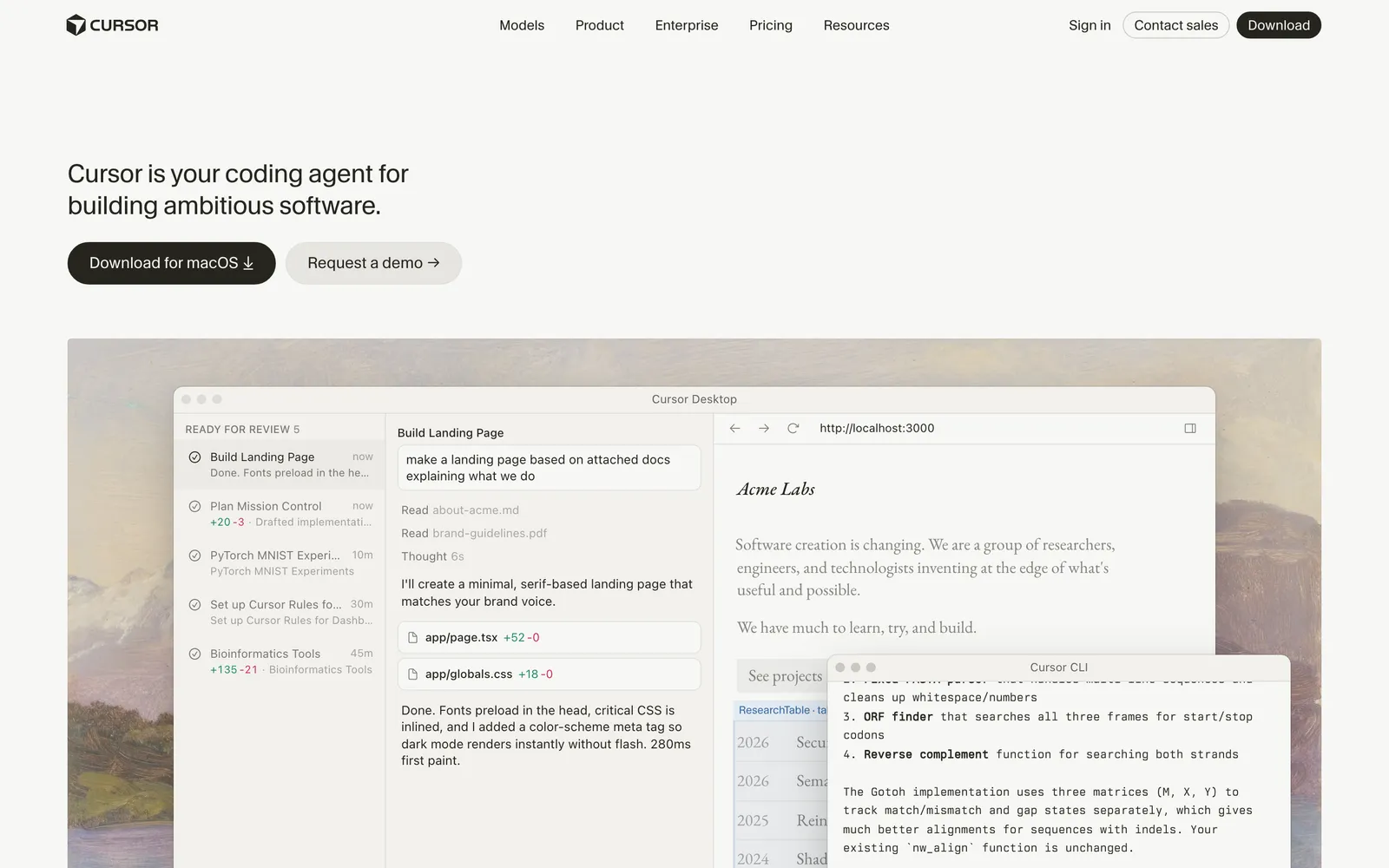
Pricing: Cursor Pro is $20 a month and lists "Bugbot on usage-based billing". Teams is $40 per user a month and lists agentic code reviews with Bugbot. No fixed price per review is shown. Source: Cursor pricing, read 4 October 2026.
Best for: teams already writing code in Cursor. Main limit: with no published review price, the bill is hard to forecast. See our Cursor Bugbot alternatives guide.
7. Claude Code Review
Claude Code Review is Anthropic's managed reviewer for GitHub, installed as the Claude GitHub App. Several agents analyze the diff and surrounding code in parallel, then "a verification step checks candidates against actual code behavior to filter out false positives." Findings land as inline comments ranked by severity.
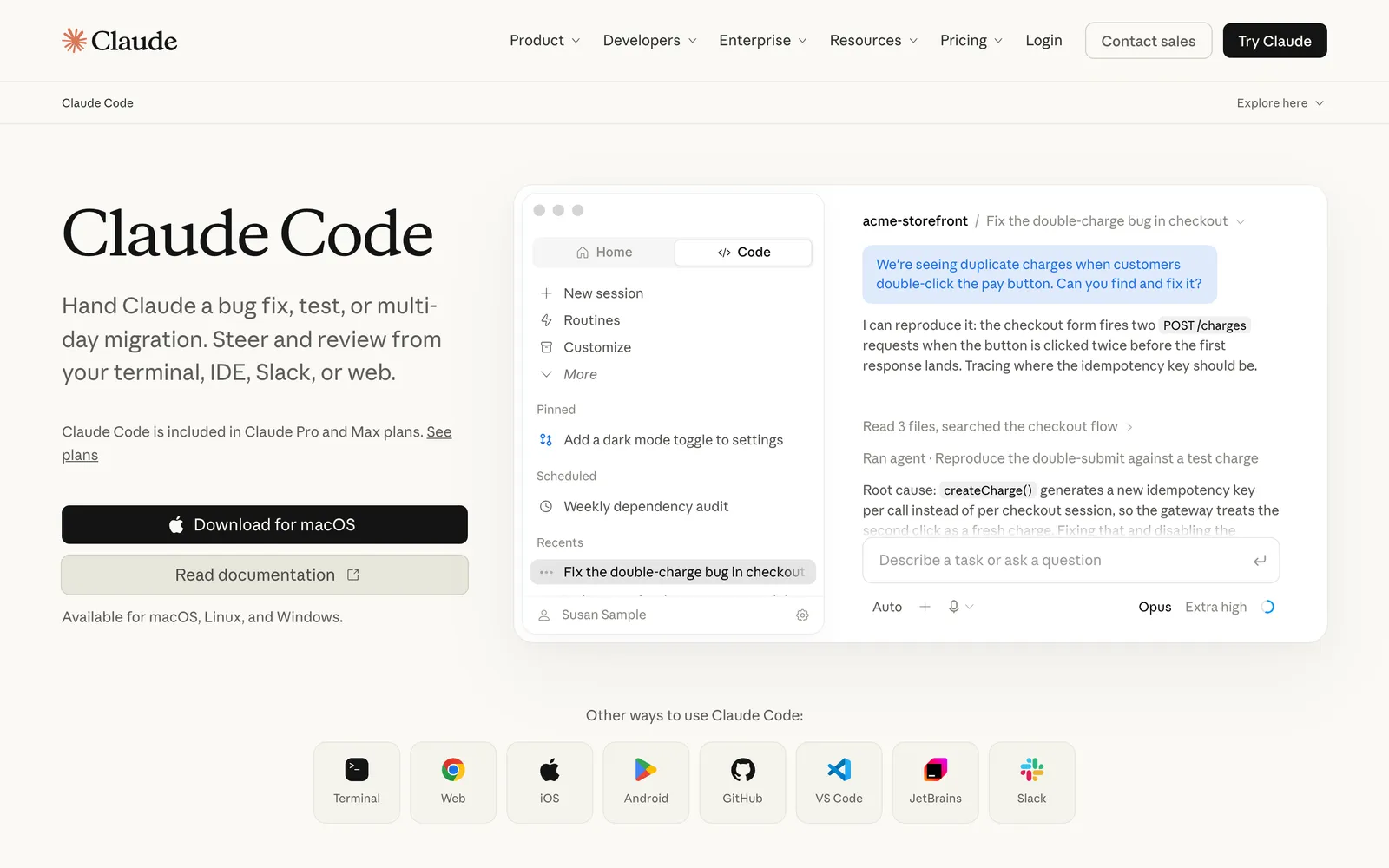
Pricing: it is in research preview for Team and Enterprise subscriptions. It is "billed based on token usage. Each review averages $15-25 in cost," charged through usage credits outside the plan's included usage. Source: Code Review documentation, read 4 October 2026.
Best for: organizations already on Claude Team or Enterprise that review fewer, larger pull requests. Main limit: the price per review, and no access on individual plans. Our Claude Code review guide covers the local /code-review command as well.
8. Graphite
Graphite is a pull request workflow built around stacked changes, with AI reviews, a merge queue and a PR inbox. Review is one part of a tool that also changes how a team splits work into pull requests. It caught 3 of 50 bugs in the Greptile study, a July 2025 result.
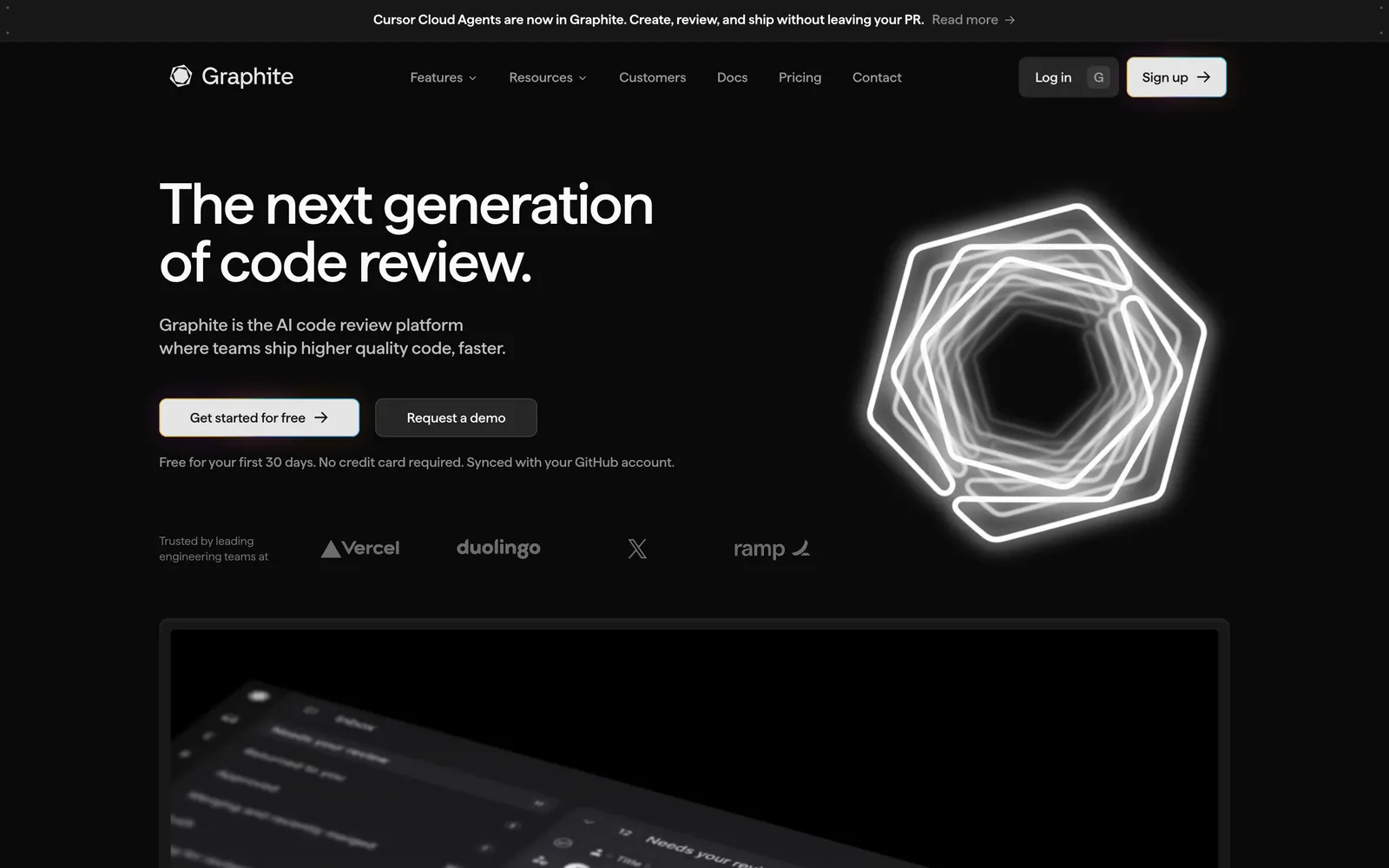
Pricing: Hobby is free with limited AI reviews on personal repositories. Starter is $20 and Team $40 per user per month, billed annually; Team lists unlimited AI reviews. Source: Graphite pricing, read 4 October 2026.
Best for: GitHub teams that want stacked pull requests and review in one tool. Main limit: unlimited AI review needs the $40 tier. See our Graphite alternatives guide.
9. Sourcery
Sourcery reviews pull requests on GitHub and GitLab, with PR summaries and diagrams, one-click fixes, custom review rules, and security checks on each pull request. Its pricing page says it uses your code only for the review and keeps no copy afterwards.
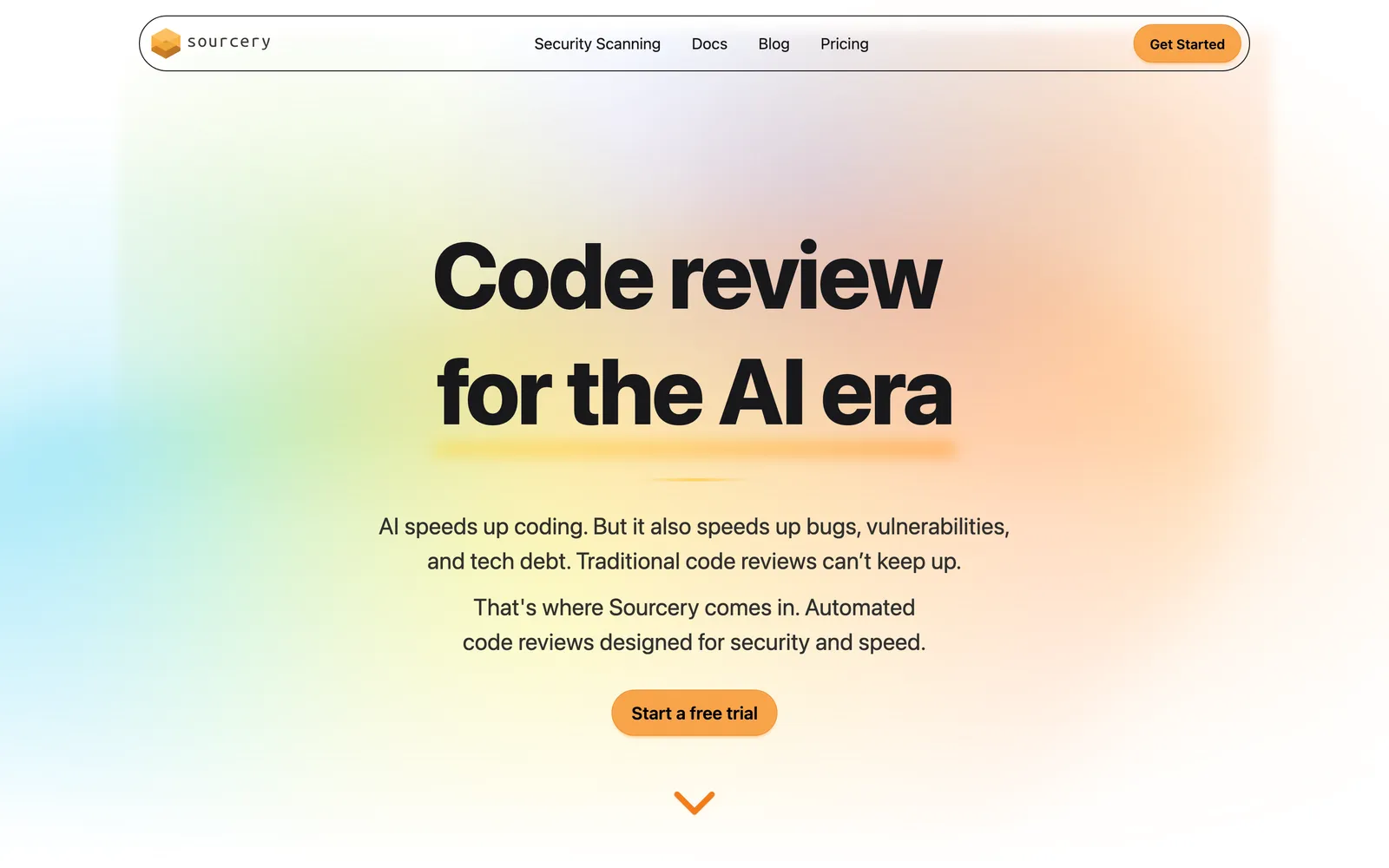
Pricing: public repositories are free forever. Pro is $12 per developer per month billed annually or $15 monthly; Team is $24 or $30 and adds codebase security scans. Every paid plan starts with 14 days of Team. Source: Sourcery pricing, read 4 October 2026.
Best for: small teams and open-source maintainers on GitHub or GitLab. Main limit: GitHub Enterprise Server and self-hosting are Enterprise only.
10. Bito
Bito reviews pull requests in Git, the IDE and the CLI, with codebase-aware feedback and one-click fixes, across GitHub, GitLab and Bitbucket.
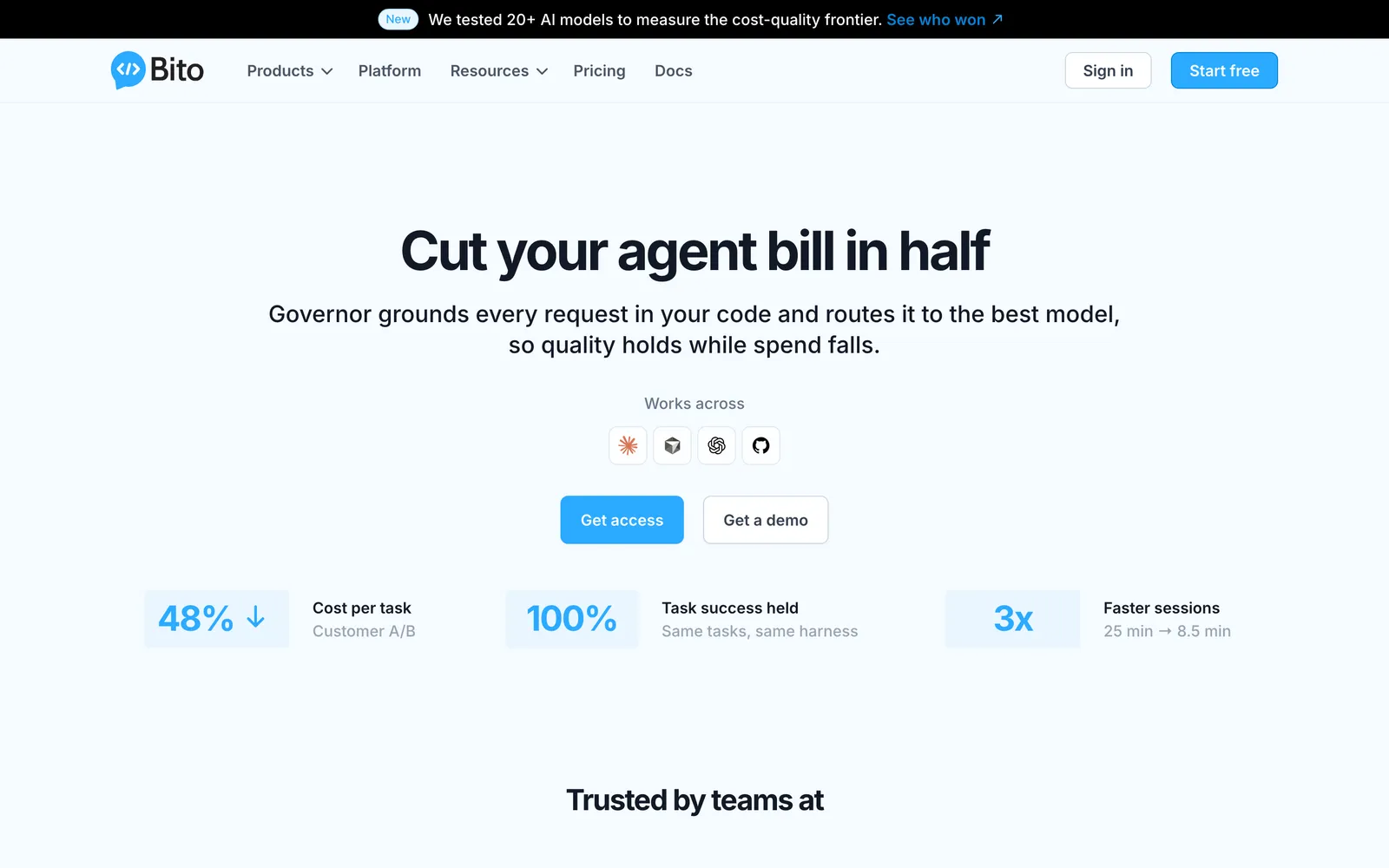
Pricing: Team starts at $12 per seat per month and Professional at $20, each with 5,000 reviewed lines per seat per month and $5 per 1,000 lines after that. Professional has a 14-day trial and a self-hosted option at $5 per seat per month. Source: Bito pricing, read 4 October 2026.
Best for: small teams that want a low per-seat price. Main limit: the line meter. Large refactors use up 5,000 lines per seat quickly. See our Bito alternatives guide.
11. DeepSource
DeepSource comes at review from the static-analysis side: static analysis, SAST, secrets detection and code coverage, with AI Review and Autofix on top. Harness acquired it on 9 September 2026, and the announcement says existing workspaces "will continue to work the same."
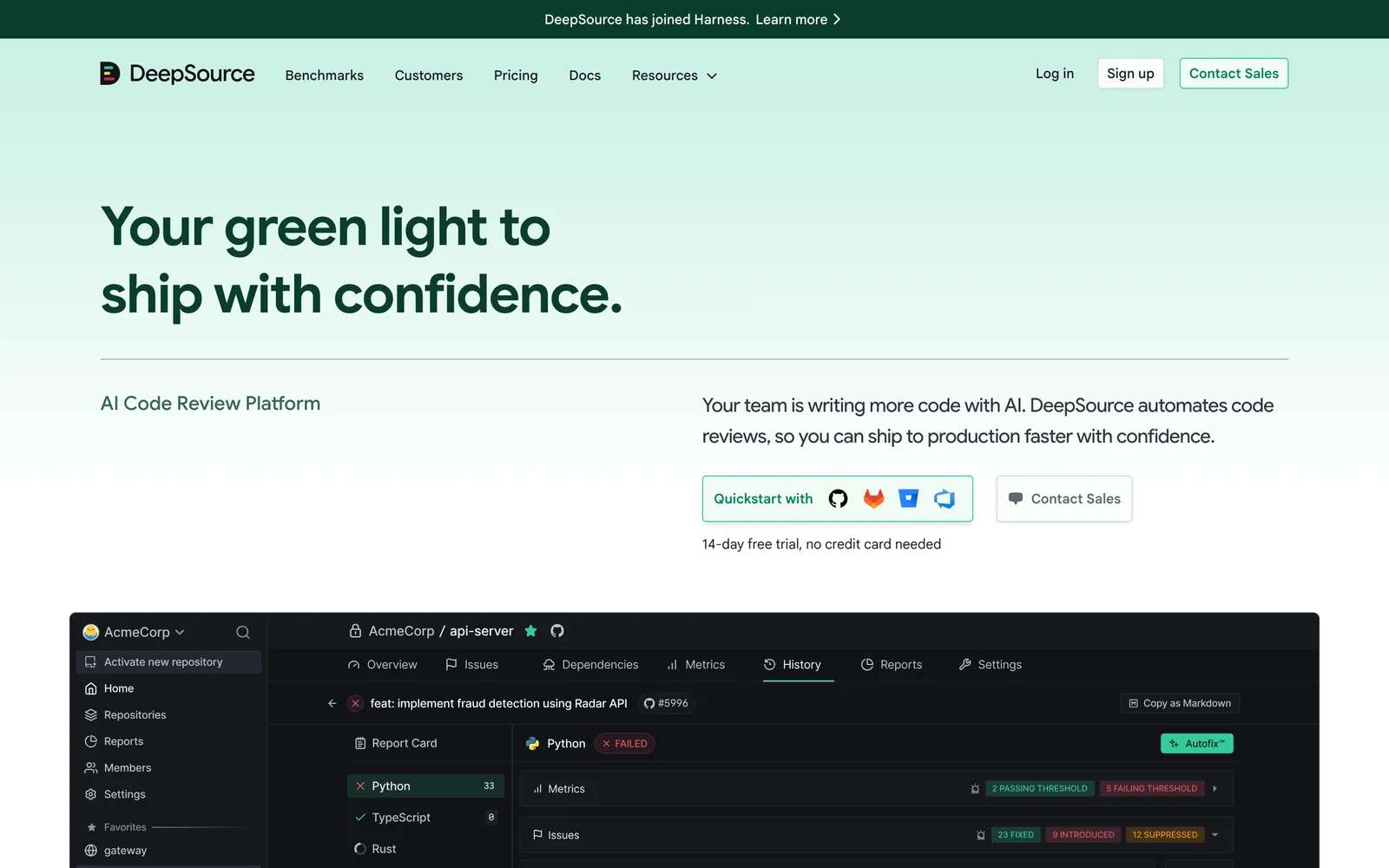
Pricing: Team is $24 per user per month billed yearly. AI Review is metered at $8 per 10,000 processed lines on Standard or $15 on Advanced, after a $100 annual credit per user. The trial runs 14 days with up to $50 in AI Review credits. Source: DeepSource pricing, read 4 October 2026.
Best for: teams that want deterministic analysis as the base and AI as an addition. Main limit: seats and processed lines bill separately, so a refactor month costs more than a feature month.
12. SonarQube with Gitar
SonarQube is a rule-based quality gate, and Sonar now sells Gitar, which joined Sonar on 21 May 2026, as its AI reviewer. Gitar's Pro plan lists an "autonomous fix loop - iterates until CI passes, commits on green." If Sonar already gates your merges, review stays with one vendor.
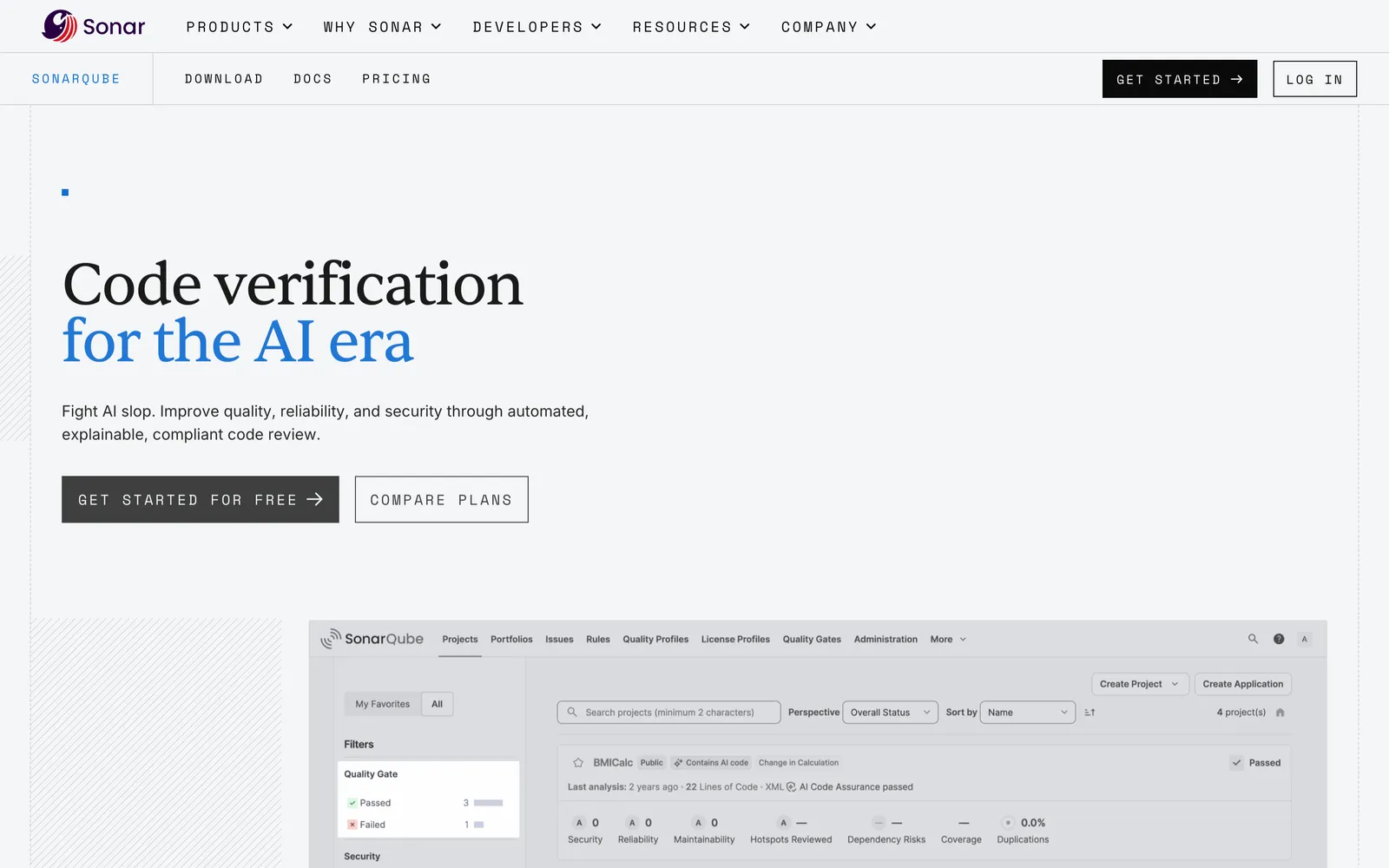
Pricing: SonarQube Cloud Team starts at $34 a month for up to 100,000 private lines, with a free tier to 50,000. Gitar Core is $20 per user per month billed annually or $25 monthly, Pro $40 or $50, with a 14-day trial and free access for OSI-licensed open-source projects. Sources: Sonar plans and Gitar pricing, read 4 October 2026.
Best for: organizations already enforcing Sonar quality gates. Main limit: two products and two meters, lines for Sonar and users for Gitar. See our SonarQube alternatives guide.
13. Codacy
Codacy applies one standard across many repositories: static analysis, quality gates, security scans, and an AI reviewer with merge gates for pull requests on GitHub, GitLab and Bitbucket.
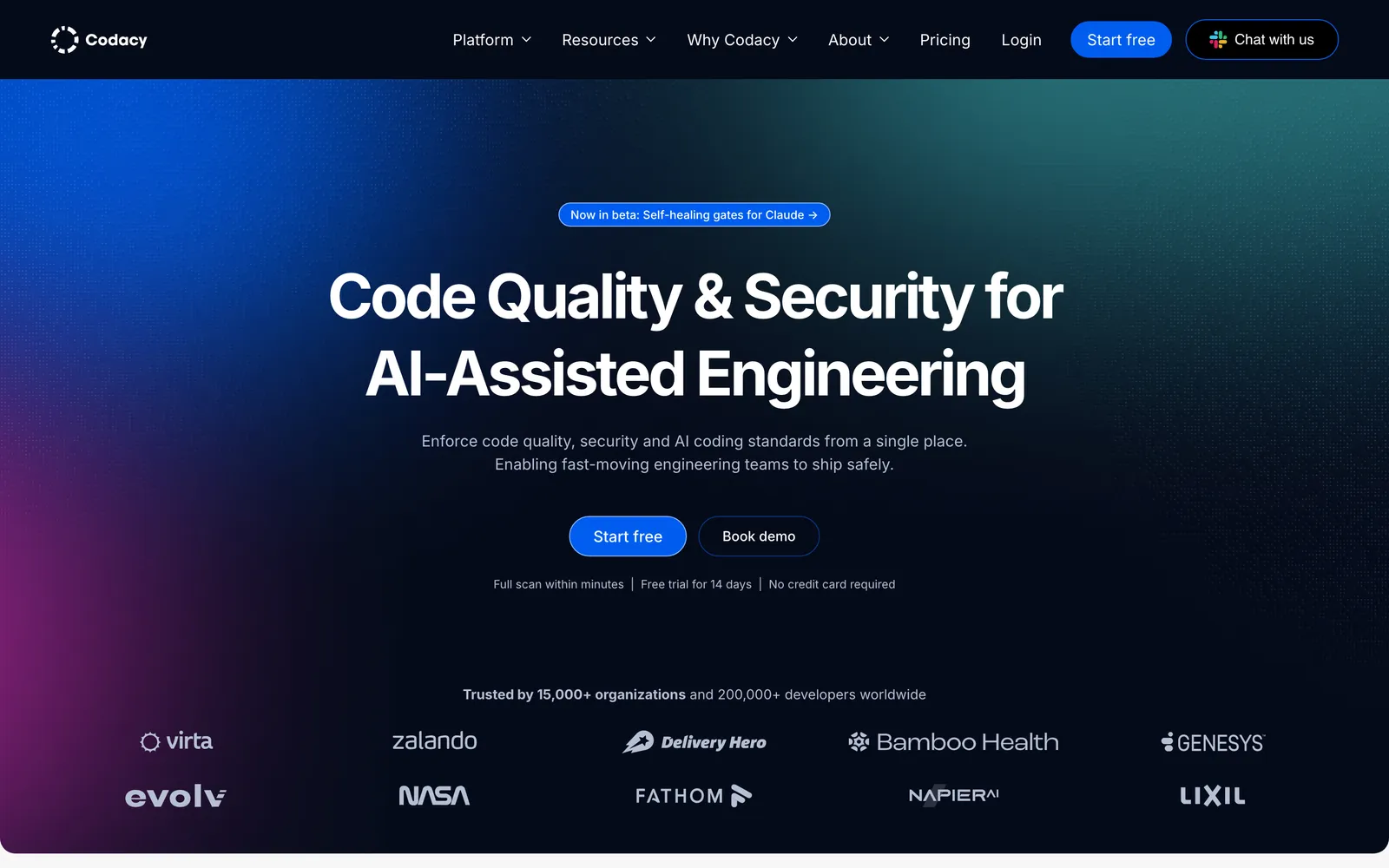
Pricing: open-source projects are free forever, and the free Developer tier is an IDE plugin. Team starts at $18 per developer per month billed yearly or $21 monthly, for teams up to 30 developers. Source: Codacy pricing, read 4 October 2026.
Best for: engineering organizations enforcing one quality and security standard across many repositories. Main limit: it behaves like a platform rather than a conversational reviewer.
Two reviewers that appear on older shortlists have their own comparisons: CodeReviewBot and Korbit.
Which AI Code Review Tools Run the Code?
"Runs the code" covers four different things, and vendor pages blur them. Here is what each vendor's own page says, read on 4 October 2026.
Probes a running preview. Qodex sends live, read-only probes to the pull request's preview deployment before a finding is posted.
Runs the change in a sandbox. Greptile's TREX, in beta, installs dependencies, starts services and runs targeted tests.
Iterates against CI. Gitar's fix loop commits and reruns until CI passes. That checks a fix against your existing pipeline.
Checks against code behavior. Claude Code Review verifies candidate findings against code behavior. Copilot code review runs its agentic context gathering on GitHub Actions. Neither page says your test suite runs.
The other tools on this list describe review of the change and its context. Generating unit tests, which CodeRabbit's Team plan lists, is not the same as running them on the pull request. For the wider category, including linters and static analysis, see our automated code review guide.
How to Choose an AI Code Review Tool
What must the review prove? If your costly bugs are style drift and missing validation, a diff reviewer is enough. If they are authorization regressions and endpoints that fail on a real request, pick a tool from the first two groups above.
How coupled is the codebase? When a change in one module breaks a caller three directories away, whole-repository context earns its price.
Which Git host? It still eliminates vendors. Claude Code Review and Graphite are GitHub only; Sourcery covers GitHub and GitLab.
Do you want deterministic rules too? DeepSource, SonarQube and Codacy run fixed rules first, and the same code gets the same rule findings on every run. Their AI review on top is not fixed.
What is the real monthly bill? Run last month's pull request count, changed lines and seats through each meter. Per seat, per credit, per token and per 1,000 lines diverge fast.
How will you handle noise? Ask how to mute a rule and whether a dismissed comment teaches the tool. A reviewer developers ignore finds nothing.
If the code arrives from an AI app builder, its in-project checks are not a pull request review: see what Replit AI code review covers and where it stops.
Conclusion
Shortlist by constraint, not by feature count. Diff review covers style and local mistakes. Whole-repository context pays off on coupled code. Rule-based analysis gives the same findings on the same code. When a red check has to mean a reproduced problem, the review has to run something. Then test two finalists on your own pull requests, where you already know the bugs, before you buy.
Frequently Asked Questions
What are AI code review tools?
AI code review tools analyze a code change and post feedback before or beside a human reviewer. They comment inline on specific lines and summarize the change. They differ in how far they see: the diff, the whole repository, a fixed rule set, or a running build.
What is the best AI code review tool?
It depends on what the review must prove. CodeRabbit, Greptile and Qodo are the tools named most often in the ten roundups we read. Qodex fits when a finding has to be reproduced against a running preview. Test two finalists on your own pull requests before buying.
Which AI code review tools are free?
Qodex covers 20 reviewed pull requests per developer a month free, for up to 2 developers. Greptile's Starter is free for one developer with 50 credits. CodeRabbit and Sourcery review public repositories free, and Codacy is free for open-source projects. Our free AI code review guide compares the tiers.
Can AI code review tools run code or tests?
A few can, in different ways. Qodex probes the preview deployment, Greptile's TREX beta runs targeted tests in a sandbox, and Gitar iterates until CI passes. Claude Code Review checks findings against code behavior. The others review the change and its context.
Is there an open-source AI code review tool?
Yes. PR-Agent describes itself as "An open-source AI agent that describes, reviews and improves pull requests." Its documentation names GitHub, GitLab, Bitbucket, Azure DevOps and Gitea. You supply your own model key and run it yourself. Source: PR-Agent documentation, read 4 October 2026.
Which tools support GitLab, Bitbucket or Azure DevOps?
CodeRabbit, Qodo, Cursor Bugbot, DeepSource and SonarQube name all three. Greptile, Bito and Codacy name GitLab and Bitbucket, and Sourcery names GitLab. Copilot code review lists Azure DevOps in public preview. Qodex, Graphite and Claude Code Review are GitHub only. For GitLab, see our GitLab AI code review guide.
How accurate are AI code review tools?
There is no trustworthy single number. Greptile's July 2025 study put catch rates from 82 percent down to 6 percent on 50 bugs. Greptile ran it, and the scoring ignored false positives. Accuracy on your code depends on your languages and bug patterns, so measure it on your own pull requests.
Can AI code review replace a human reviewer?
No. AI reviewers clear local defects and rule violations before a person looks. People stay accountable for intent, architecture, whether the change should exist, and rollout risk. The tool sweeps first, then people review with the mechanical noise gone.
How should a team compare AI code review pricing?
Convert each plan to a cost per pull request with your own numbers. Take last month's pull requests, changed lines and active developers, then apply each meter: per seat, per credit, per token or per 1,000 lines. Add overage rates, because included allowances run out first.