Bito Review and Alternatives (2026)
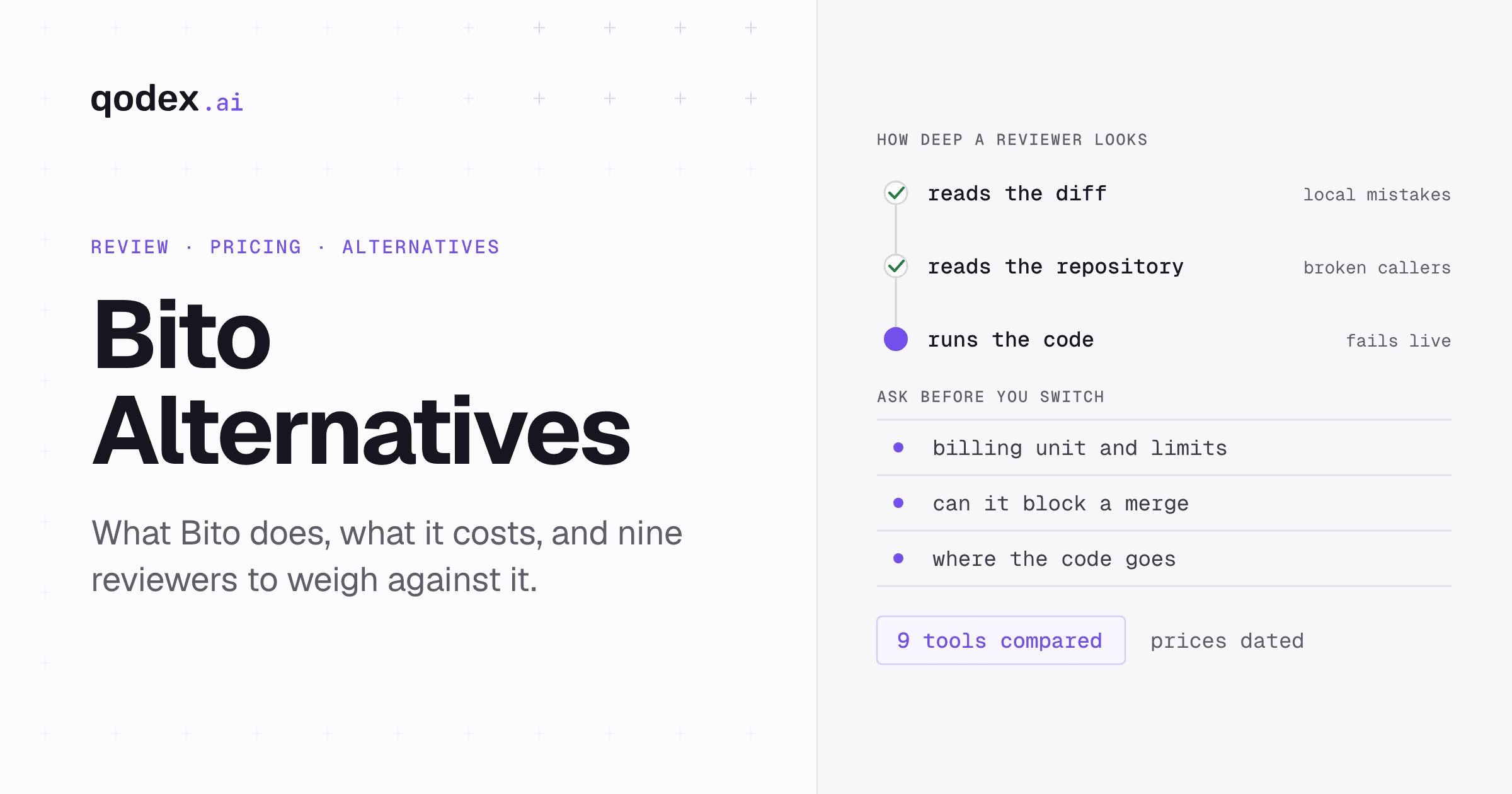
Bito's AI Code Review Agent is the cheapest published seat in this category at $12 a month billed annually, and it runs in the Git host, the IDE and the CLI. That price is the reason to stay. The reason teams leave is the meter underneath it: 5,000 reviewed lines per seat per month, then $5 for every extra 1,000 lines, so one generated or auto-formatted pull request can cost more than a normal month of work. Prices below were read off each vendor's page on 30 August 2026.
If you are evaluating review tools as part of a wider testing stack, you can also see how Qodex reviews pull requests by running your tests against the change rather than only reading the diff. One disambiguation before the list, because search engines mix them up: Qodo (qodo.ai) is not Qodex (qodex.ai). Different companies, both below under their full names.
What Bito is and how it reviews code
Bito is a platform now, not a single bot. Its homepage leads with Governor, which routes context and model choice for coding agents like Claude Code, Cursor, Codex and Copilot. AI Code Review is one product inside that platform, and AI Architect is a third, adding cross-repo impact analysis built from code, commits, tickets, docs and Slack at a separate price.
The reviewer itself reads pull requests with codebase and system context rather than the diff alone. It posts a summary and inline fixes, answers follow-up questions in the thread, supports custom rules, reviews incrementally as new commits land, and reports through an analytics dashboard. It leans on named third-party tooling rather than a proprietary scanner: Mypy, Infer, ESLint, golangci-lint and Ruff for static analysis and linting. For background on the category, see automated code review.
Hosts are GitHub Cloud and Enterprise Server, GitLab Cloud and self-hosted, and Bitbucket Cloud and self-hosted. Locally it covers VS Code, JetBrains, Cursor, Windsurf and a CLI,. Professional adds Jira, Confluence, Google Docs and CI/CD pipeline reviews. Language support is described as "more than 20" and "all major programming languages" without an enumerated list, so treat it as a vendor claim. Security claims are SOC 2 Type II, encryption in transit, no code storage and no training on your code. Sources: the product page, docs.bito.ai and the pricing page, read 30 August 2026.
Bito pricing, checked 30 August 2026
| Product and tier | Price and unit | Included | Trial or free |
|---|---|---|---|
| AI Code Reviews, Team | $12 per seat per month billed annually, $15 monthly | 5,000 reviewed lines per seat per month; $5 per extra 1,000 lines; Bito cloud only; fair-use limits apply | No permanent free plan |
| AI Code Reviews, Professional | $20 per seat per month billed annually, $25 monthly | Same line allowance and overage; custom rules, learning from feedback, Jira, Confluence, Google Docs, CI/CD reviews; self-hosted for a $5 per seat per month add-on | 14-day trial, no card |
| AI Code Reviews, Enterprise | Custom | Custom usage limits; cloud, self-hosted or on-premises; cross-repo impact analysis | Talk to sales |
| AI Architect | Usage-based, quoted by indexed codebase size and volume | No public rate | Trial, no stated allowance |
Source: bito.ai/pricing, read 30 August 2026. Work the meter once and the risk becomes obvious: a seat that reviews 12,000 lines in a month pays $12 plus $35. Fair-use limits are mentioned on top of the line allowance but never enumerated.
Where Bito falls short
The meter counts lines, not pull requests. One large formatting pass, a regenerated lock file or a vendored dependency can cost more than a month of ordinary work.
There is no permanent free plan. The product page's "14 days free" is the Professional trial, not a free tier.
The cheap tier is missing the parts that make it good. Team is cloud only and has neither custom rules nor issue-tracker links. Self-hosting costs $5 a seat extra on Professional. Cross-repo impact analysis, which the marketing leans on, is Enterprise only.
The open-source IDE and CLI project has visible complaints. Public GitHub issues include "it simply doesn't work" (issue 254), "request is timing out" (issue 209) and "JetBrains plugin: UI freezes when typing, copying / pasting" (issue 208), with 25 open issues when read on 30 August 2026. These are about the IDE and CLI project, not proof that the hosted pull request reviewer has the same problems,.
G2 was blocked when we tried to read it, so there is no review-site quote here.
Indexing is not execution. Symbol indexes and system context tell the model more about what a change touches. Bito still does not run the change, which is the limit it shares with almost everything below.
Who Bito fits, and who should look elsewhere
Bito fits cost-sensitive teams on any of its three hosts, teams that genuinely want review in the IDE and the CLI as well as in the pull request, and teams that want a self-hosting option with a published price rather than an Enterprise negotiation.
Look elsewhere if your pull requests routinely carry generated or reformatted code, if you need a permanent free tier, or if your real complaint about AI review is that its findings are guesses you still have to check by hand.
Quick answer: choose a Bito alternative by constraint
| Constraint | Pick | One line |
|---|---|---|
| Closest all-round replacement | CodeRabbit | Seat pricing without a line meter; four hosts. |
| Free for one developer | Greptile | Starter: unlimited repos, 50 reviews a month. |
| Findings proven against a running preview | Qodex | Reviews the pull request and runs API, UI and security tests; GitHub only. |
| GitLab, Bitbucket, Azure DevOps or air-gapped enterprise | Qodo | Widest host list; on-premises on Enterprise. |
| Already on Copilot | GitHub Copilot code review | No new vendor; GitHub only. |
| Team lives in Cursor | Cursor Bugbot | Bito also targets Cursor users; Bugbot is the native option. |
| Cheap quality and security gates on cloud Git hosts | Codacy | $18 a developer annual; cloud hosts only. |
| Monorepo, analysers first | DeepSource | Explicit monorepo support; four hosts. |
| Security gate | Snyk Code | Static application security testing only. |
| Self-managed deterministic gates | SonarQube | Community Build is free. |
Bito alternatives at a glance
Prices checked 30 August 2026. "Not offered" means the vendor's page does not sell it, not that it cannot be negotiated. For a wider survey of the category, see the best AI code review tools.
| Tool | Review approach | Git hosts | Paid start and unit | Free plan or trial | Self-hosted | Best for | Main limit |
|---|---|---|---|---|---|---|---|
| Bito (baseline) | Codebase-indexed diff review in Git, IDE and CLI | GitHub (Cloud, Enterprise Server), GitLab (Cloud, self-hosted), Bitbucket (Cloud, self-hosted) | Team $12/seat/mo annual ($15 monthly); Professional $20/seat/mo annual ($25 monthly); 5,000 reviewed lines per seat per month included, then $5 per 1,000 lines | 14-day Professional trial, no card; no permanent free plan | Professional: self-hosted for a $5/seat/mo add-on; Enterprise: on-premises | Cost-sensitive teams that want review in Git, IDE and CLI, or a priced self-host option | Reviewed lines are metered: a big formatting PR costs extra; cross-repo impact analysis is Enterprise only |
| CodeRabbit | Agentic diff review with repo context | GitHub (cloud, Enterprise Server), GitLab (.com, self-managed), Bitbucket (Cloud, Data Center), Azure DevOps | Pro $24/user/mo billed annually; Pro Plus $48/user/mo annual; Security add-on $40/user/mo | 14-day trial, no card; free for public repos; no permanent free private plan | Enterprise only (also EU SaaS) | The closest like-for-like reviewer across every major Git host | Rate limits: 5 PR reviews per developer per hour on Pro, 10 on Pro Plus, 12 on Enterprise (fair use) |
| Greptile | Codebase-graph diff review; TREX runtime validation (beta) | GitHub (Cloud, Enterprise Server), GitLab (Cloud, Self-Managed); no official Bitbucket support found | Pro $30/seat/mo with 50 credits per seat; $1 per extra credit; 1 credit per standard review, 3 per TREX review | Starter $0: one active developer, unlimited repos, 50 credits a month; 14-day Pro trial; free for qualified open-source projects | Enterprise: Docker Compose or Kubernetes (Helm), air-gapped supported | Large, interconnected codebases and solo developers who want a free reviewer | Credit meter: heavy PR volume or TREX reviews (3 credits each) make the bill variable; no Bitbucket |
| Qodex | Six-pass review plus real test runs and live probes against the preview | GitHub only (GitHub App) | Free $0; Pro $30/developer/mo, a seat only for developers with 3 or more reviewed PRs that month; Enterprise custom | Free: 20 reviewed PRs per developer a month for up to 2 developers, 2 automatic reviews per PR, unlimited public and private repos, no card; 14-day trial on Pro | Enterprise: self-hosting option | Teams that want a red check to mean a reproduced bug, not a guess | GitHub only; the execution value needs a preview deployment and test scenarios |
| Qodo | Context-aware diff review plus governance rules | GitHub (cloud, Enterprise Server), GitLab (cloud, self-managed), Bitbucket (Cloud, Data Center), Azure DevOps, Gerrit (Enterprise) | Pro Team $30/mo for 2,500 pooled credits (vendor estimate: about 18 reviews), $0.012 per extra credit, up to 30 users | 14-day unlimited trial, no card; no permanent free tier; free for qualified open-source repos | Enterprise: single-tenant SaaS, on-premises, air-gapped | GitLab, Bitbucket, Azure DevOps or air-gapped teams that want rules enforced org-wide | Credits vary by PR size and expire monthly, so cost per review is not fixed |
| GitHub Copilot code review | Native diff review inside GitHub | GitHub only (Azure DevOps in public preview) | Copilot Pro $10/mo (individual); Copilot Business $19/user/mo; each review also spends GitHub AI credits (GitHub's estimate $0.05 to $1 per Lite review, $0.25 to $5 per Balanced review) plus Actions minutes on private repos | Copilot Free ($0) does not include code review | Not offered | GitHub teams already on Copilot who want a basic pass at no extra vendor | Copilot only posts Comment reviews, so it cannot approve or block a merge; credit spend is variable |
| Cursor Bugbot | Diff review with adjustable effort, fixes in Cursor | GitHub (incl. Enterprise Server), GitLab (incl. self-hosted), Bitbucket (incl. Data Center), Azure DevOps (limited availability) | Usage-based: vendor says an average run costs $1.00 to $1.50 depending on PR size; Cursor Individual Pro $20/mo, Teams $40/user/mo | 14-day trial; no permanent free Bugbot allowance | Not offered | Teams already writing code in Cursor | Spend varies per PR and effort level; no fixed rate card |
| Codacy | Static scans plus AI PR feedback and merge gates | GitHub Cloud, GitLab Cloud, Bitbucket Cloud only | Team from $18/developer/mo annual ($21 monthly) | Developer $0 (IDE plugin only); free for open-source projects; 14-day Team trial, no card | Not offered; self-hosted GitHub, GitLab and Bitbucket are not supported | Small teams on cloud Git hosts that want one quality and security surface | Cloud-only Git hosts; the free tier is an IDE plugin, not PR review |
| DeepSource | Deterministic analysers plus metered AI review | GitHub, GitLab, Bitbucket, Azure DevOps | Team $24/user/mo annual ($30 monthly); AI Review $8 per 10,000 processed lines (standard) or $15 (advanced) after a $100 annual credit per user | Open Source plan free for public repos (AI review pay as you go); 14-day trial with up to $50 in AI credits | Enterprise: self-hosted, air-gapped, bring your own model key | Monorepos and teams that want analysers first, AI second | "Unlimited PR reviews" does not cover the AI review, which is metered by lines |
| Snyk Code | Security-only static analysis | GitHub, GitLab, Bitbucket, Azure Repos | Team from $25/mo for up to 10 developers; Enterprise credit-based (read 22 Sep) | Free $0 with 100 Snyk Code tests a month | Not offered (Snyk Broker connects private Git servers; the analysis runs in Snyk's cloud) | Teams whose real ask is a security gate on every PR | A security scanner, not a general reviewer for logic, design or style |
| SonarQube | Rules-based static analysis with quality gates | GitHub, GitLab, Bitbucket Cloud, Azure DevOps | Cloud Team from $34/mo per instance up to 100,000 lines of code; Server priced per instance per year by lines of code | Cloud free tier up to 50,000 private lines, never expires; Community Build free and open source; 14-day trial on paid plans | Yes: SonarQube Server and Community Build | Teams that want auditable rules and a self-managed gate | Not a conversational reviewer; price scales with lines of code, not people |
The 10 best Bito alternatives in 2026
1. CodeRabbit
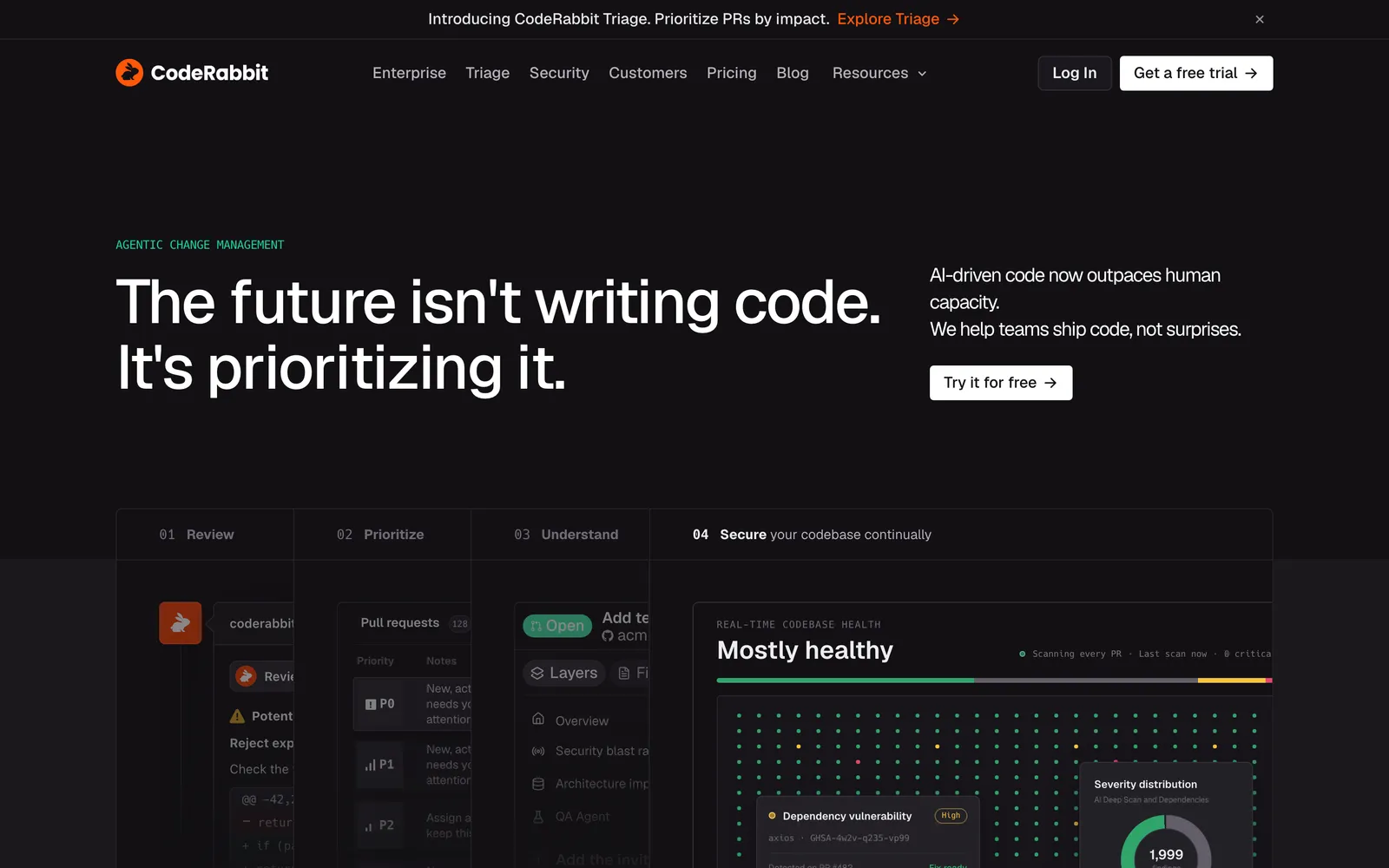
The closest reviewer without a line meter, on every Bito host plus Azure DevOps. A dedicated AI pull request reviewer: summary, inline comments, one-click fixes, chat in the thread, learned team rules, linters and a static application security testing pass.
Price and unit, checked 30 August 2026: Pro $24/user/mo billed annually; Pro Plus $48/user/mo annual; Security add-on $40/user/mo. Unit: per user who opens pull requests.
Free plan or trial: 14-day trial, no card; free for public repos; no permanent free private plan.
Git hosts: GitHub cloud and Enterprise Server, GitLab.com and self-managed, Bitbucket Cloud and Data Center, Azure DevOps. IDE and CLI: VS Code, Cursor, Windsurf, CLI, MCP. Self-hosted: Enterprise only, plus EU SaaS.
Standout: broadest Git host coverage of the dedicated reviewers; Pro Plus adds multi-repo analysis and custom pre-merge checks.
Main limit: rate limits of 5 pull request reviews per developer per hour on Pro, 10 on Pro Plus and 12 on Enterprise, as fair use.
Migration note: recreate custom rules as path instructions. You pay $24 a seat with no line overage, so the comparison is $12 plus your real overage against a flat $24.
Sources: coderabbit.ai/pricing, quickstart. More in our CodeRabbit alternatives guide.
2. Greptile
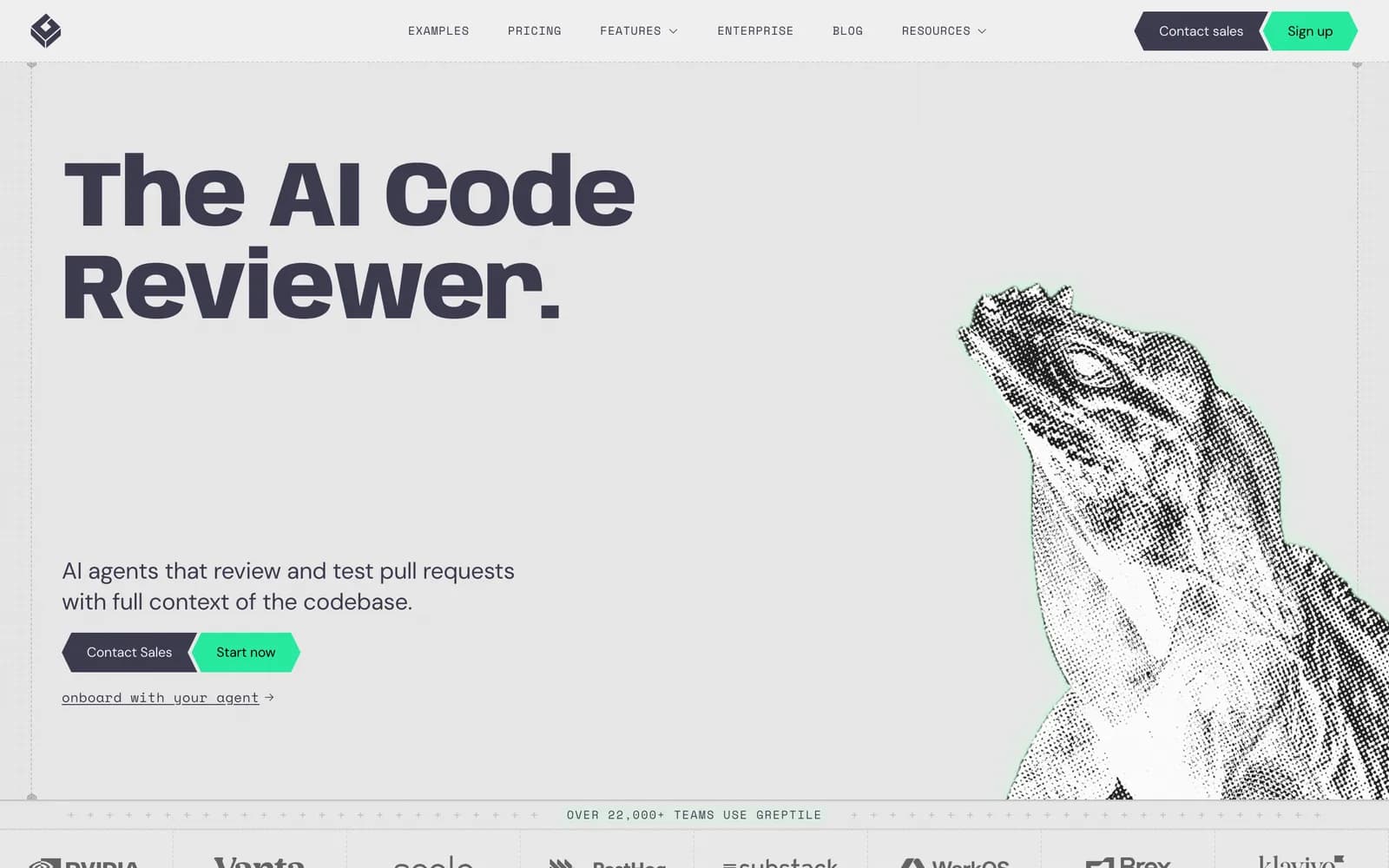
The free solo tier Bito does not have, plus deeper context. Greptile builds a graph of the repository, files, functions and dependencies, and reviews each pull request against that whole-repo context. TREX runtime validation is in beta.
Price and unit, checked 30 August 2026: Pro $30/seat/mo with 50 credits per seat; $1 per extra credit; 1 credit per standard review, 3 per TREX review. Unit: per seat plus credits.
Free plan or trial: Starter $0 for one active developer, unlimited repos, 50 credits a month; 14-day Pro trial; free for qualified open-source projects.
Git hosts: GitHub Cloud and Enterprise Server, GitLab Cloud and Self-Managed; no official Bitbucket support found. Sends findings to Claude Code, Codex, Cursor, Devin and Conductor. Self-hosted: Enterprise, Docker Compose or Kubernetes with Helm, air-gapped supported.
Standout: deepest static whole-repo context, and the only free tier here for a solo developer on private repos.
Main limit: the credit meter makes heavy volume variable, and TREX reviews cost three credits each. No Bitbucket.
Migration note: free for one developer, credits per seat for teams. If Bitbucket is why you chose Bito, Greptile is out.
Sources: greptile.com/pricing, Greptile docs.
3. Qodex
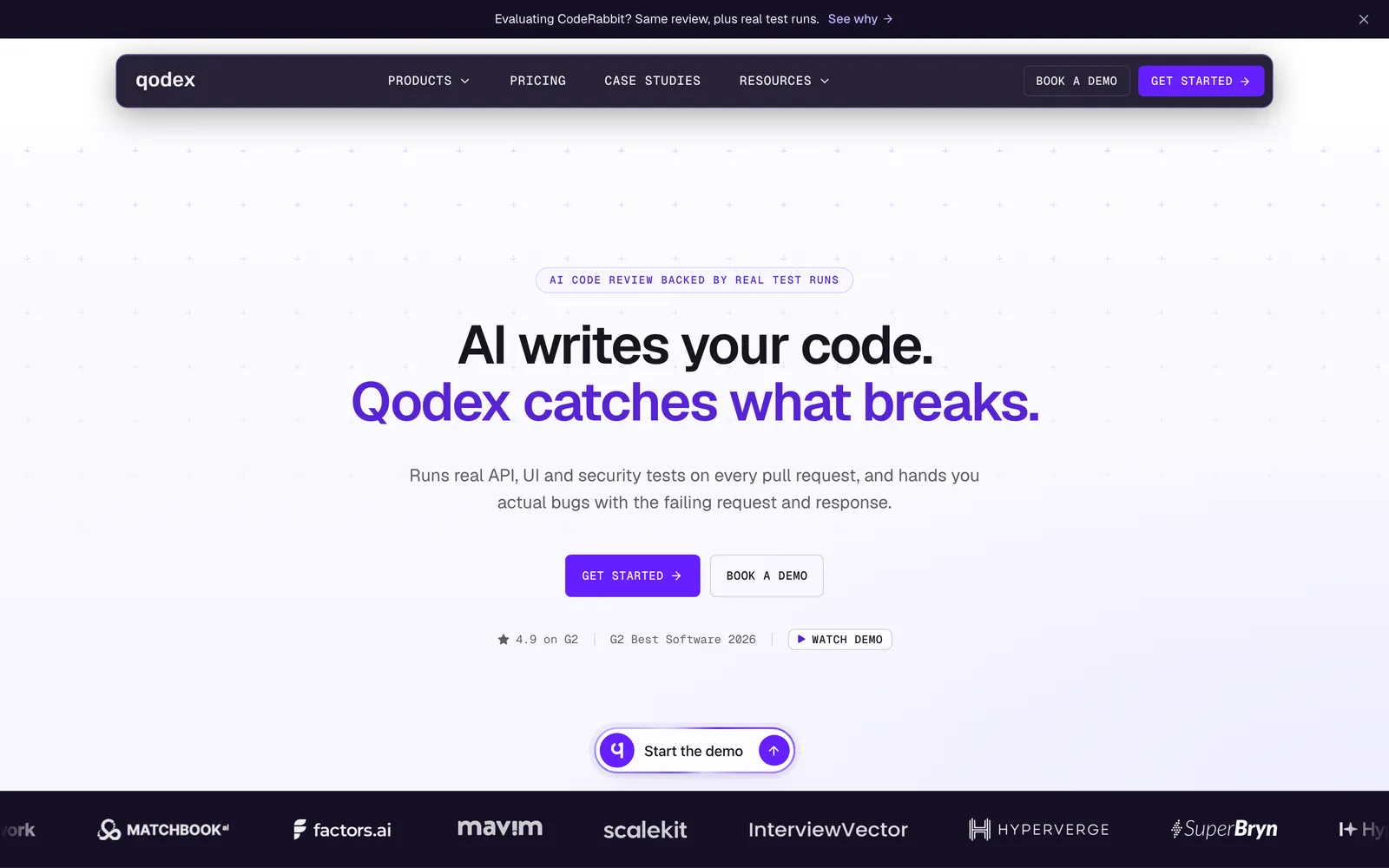
The structural alternative: execution, not a bigger index. Qodex is an AI QA agent whose pull request review runs six passes before a comment posts: static analysers, a full read of every changed file, a blast-radius pass over the code graph, two frontier models from different labs, read-only probes against the preview deployment, then a Check Run that can block the merge. It is not a pure code review tool, and it is GitHub only.
Price and unit, checked 5 October 2026: Free $0 for 20 reviewed pull requests per developer a month, for up to 2 developers; Pro $30 per developer per month, 50 reviewed pull requests per seat pooled across the team, $1 per additional pull request; Enterprise custom. Unit: a developer who opens 3 or more reviewed pull requests in the month; everyone else is free.
Free plan or trial: 20 reviewed pull requests per developer a month, for up to 2 developers, with 2 automatic reviews each, unlimited public and private repos, the GitHub App and status check, no card; 14-day free trial on Pro with no card, for up to 100 reviewed pull requests.
Git hosts: GitHub only, through a GitHub App. Works alongside Cursor, Claude Code, Codex, Copilot, Devin, the GitHub CLI and Slack. Self-hosted: Enterprise.
Standout: findings are probed against the running preview before they post, and can carry the failing request, response or screenshot.
Main limit: GitHub only, so GitLab and Bitbucket teams are out. The execution value needs a preview deployment and test scenarios.
Migration note: no lines to count. Prepare a preview and existing API or UI scenarios, or compare the static pass only.
Prices are on the Qodex pricing page. Connect a repository free to compare it against Bito on the same code.
4. Qodo

For governance rules and on-premises across every host. Qodo (formerly CodiumAI, and not Qodex) is an AI code review and governance platform: pull request review, organisation rules, a context engine across repositories and pull request history, plus IDE and CLI surfaces.
Price and unit, checked 30 August 2026: Pro Team $30/mo for 2,500 pooled credits, a vendor estimate of about 18 reviews, then $0.012 per extra credit, up to 30 users. Unit: pooled credits, and a bigger pull request costs more of them.
Free plan or trial: 14-day unlimited trial, no card; no permanent free tier; free for qualified open-source repos.
Git hosts: GitHub cloud and Enterprise Server, GitLab cloud and self-managed, Bitbucket Cloud and Data Center, Azure DevOps, Gerrit on Enterprise. IDE and CLI: VS Code, Visual Studio, JetBrains, CLI. Self-hosted: single-tenant SaaS, on-premises and air-gapped on Enterprise.
Standout: widest host list in this set plus governance rules, with open-source PR-Agent lineage.
Main limit: credits vary by pull request size and expire monthly, so cost per review is not fixed.
Migration note: credits instead of lines. Size the pack from monthly pull request volume, not from headcount.
Sources: qodo.ai/pricing, deployment models. More in our Qodo alternatives guide.
5. GitHub Copilot code review
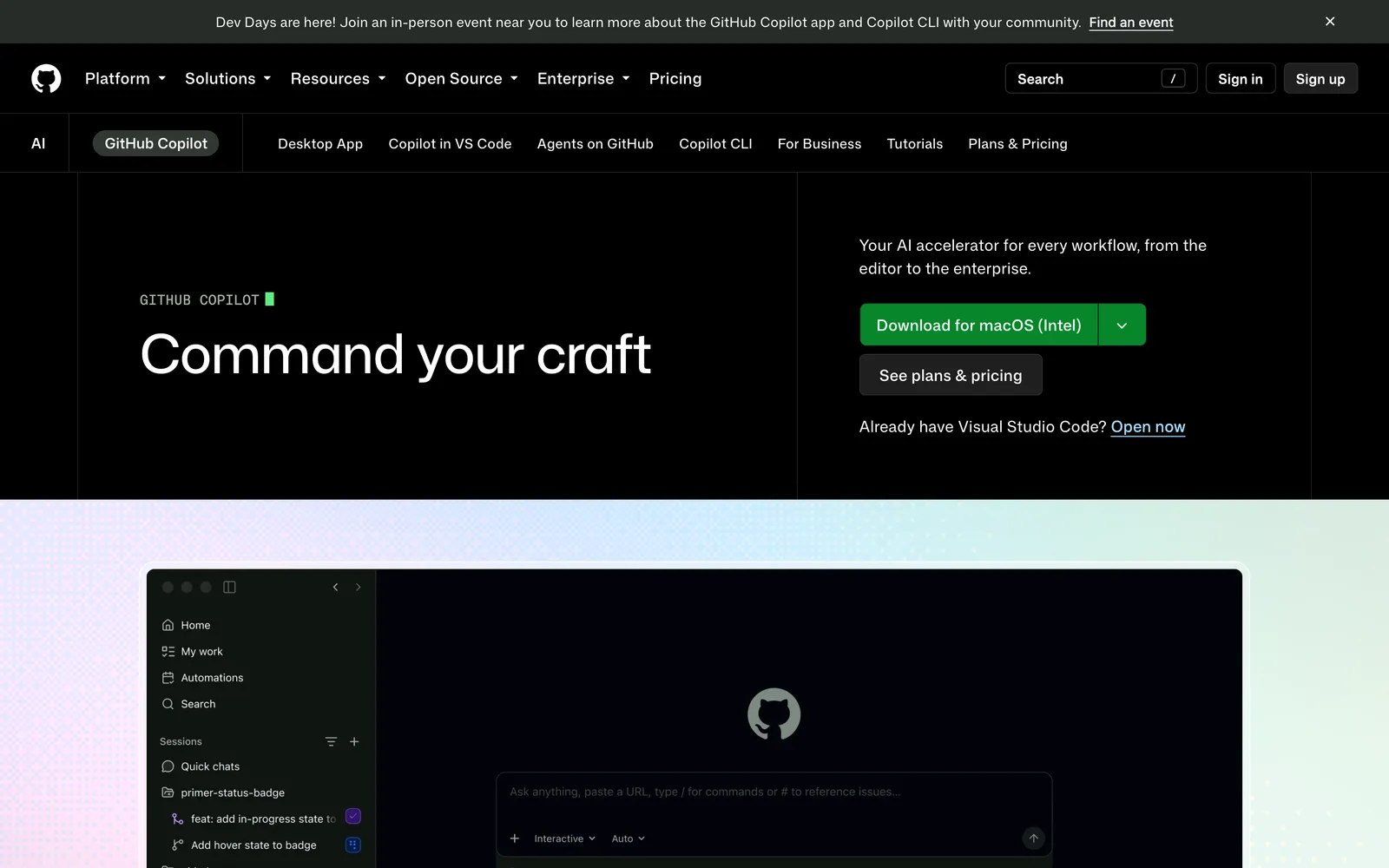
No new vendor on GitHub. GitHub's native reviewer, requested from the pull request reviewer panel or run automatically, with suggested fixes, custom instructions and standard or deep effort.
Price and unit, checked 30 August 2026: Copilot Pro $10/mo for individuals; Copilot Business $19/user/mo. Each review also spends GitHub AI credits, which GitHub estimates at $0.05 to $1 per Lite review and $0.25 to $5 per Balanced review, plus Actions minutes on private repos.
Free plan or trial: Copilot Free at $0 does not include code review.
Git hosts: GitHub only, Azure DevOps in public preview. IDE and CLI: VS Code, Visual Studio, JetBrains, Xcode, GitHub CLI and Mobile. Self-hosted: not offered.
Standout: nothing to install for a team already paying for Copilot.
Main limit: Copilot only posts Comment reviews, so it cannot approve or block a merge, and credit spend is variable.
Migration note: keep a required human approval, because Copilot cannot be the gate.
Sources: Copilot plans, code review docs.
6. Cursor Bugbot
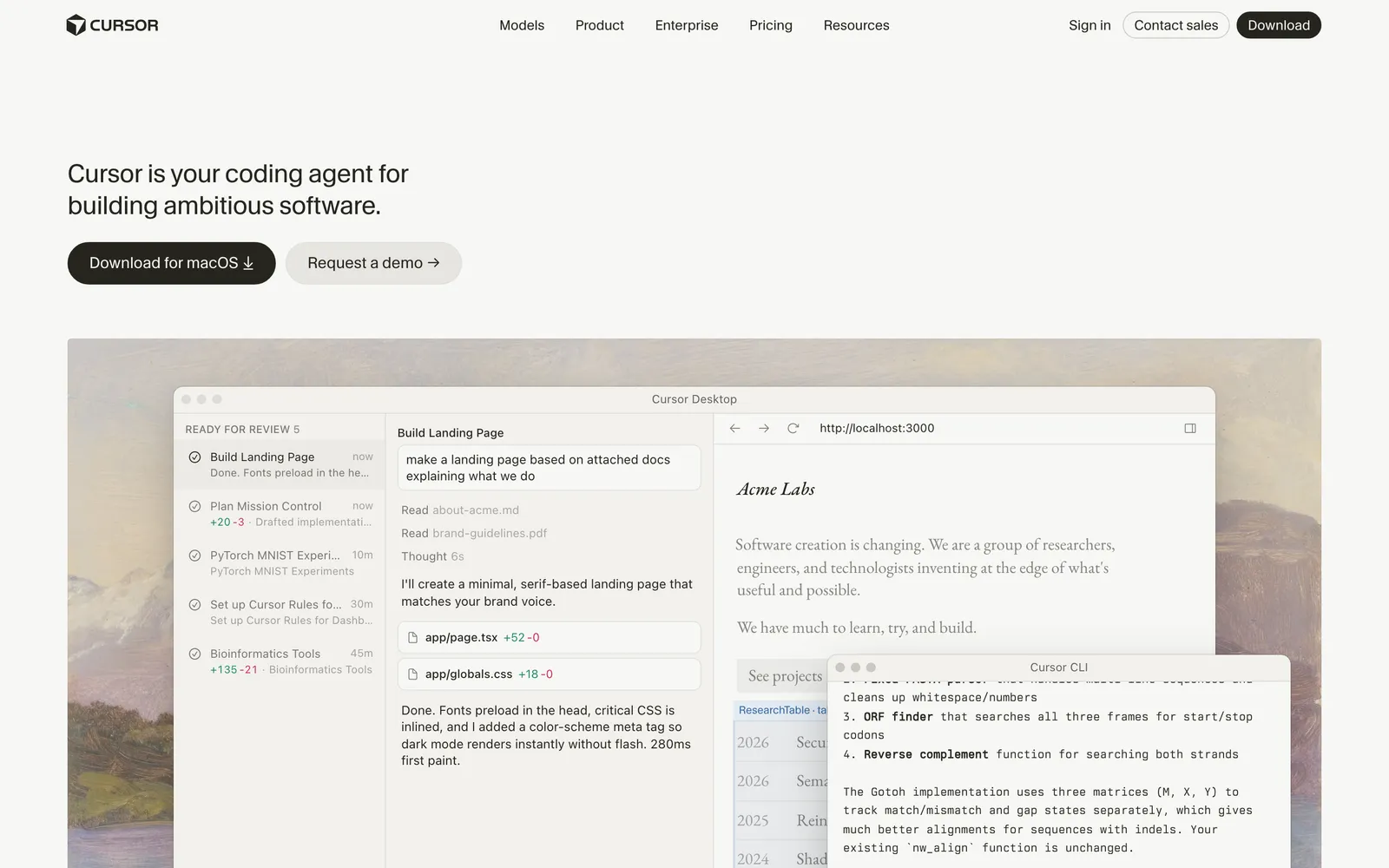
Bito markets to Cursor users, and Bugbot is Cursor's own reviewer on four hosts. It covers bugs, security issues and code quality, with repository rules, selectable effort and a handoff into Cursor for the fix.
Price and unit, checked 30 August 2026: usage-based; the vendor says an average run costs $1.00 to $1.50 depending on pull request size. Cursor Individual Pro $20/mo, Teams $40/user/mo. Unit: per review run.
Free plan or trial: 14-day trial; no permanent free Bugbot allowance.
Git hosts: GitHub including Enterprise Server, GitLab including self-hosted, Bitbucket including Data Center, Azure DevOps in limited availability. IDE: Cursor. Self-hosted: not offered.
Standout: tight loop from a finding to a fix in the editor, with effort levels and learned rules.
Main limit: spend varies per pull request and effort level, with no fixed rate card.
Migration note: move rules to
.cursor/BUGBOT.mdand budget per run. This is a more variable bill than Bito's, not a less variable one.
Sources: Bugbot docs, cursor.com/pricing. More in our Cursor Bugbot alternatives guide.
7. Codacy

A lower price for quality and security gates, if all your repositories are on cloud Git hosts. Codacy is cloud code quality and application security scanning with an AI pull request reviewer, IDE guardrails and merge gates.
Price and unit, checked 30 August 2026: Team from $18/developer/mo annual ($21 monthly). Unit: per developer who commits.
Free plan or trial: Developer $0, which is the IDE plugin only; free for open-source projects; 14-day Team trial, no card.
Git hosts: GitHub Cloud, GitLab Cloud and Bitbucket Cloud only. IDE: VS Code, JetBrains, Cursor. Self-hosted: not offered, and self-hosted GitHub, GitLab and Bitbucket are not supported.
Standout: quality, static application security testing, dependency, secrets and coverage in one dashboard across 49 languages by Codacy's own count.
Main limit: cloud-only Git hosts, and the free tier is an IDE plugin rather than pull request review.
Migration note: not an option if you run self-hosted Git. Team is the tier that includes pull request review.
Source: codacy.com/pricing.
8. DeepSource
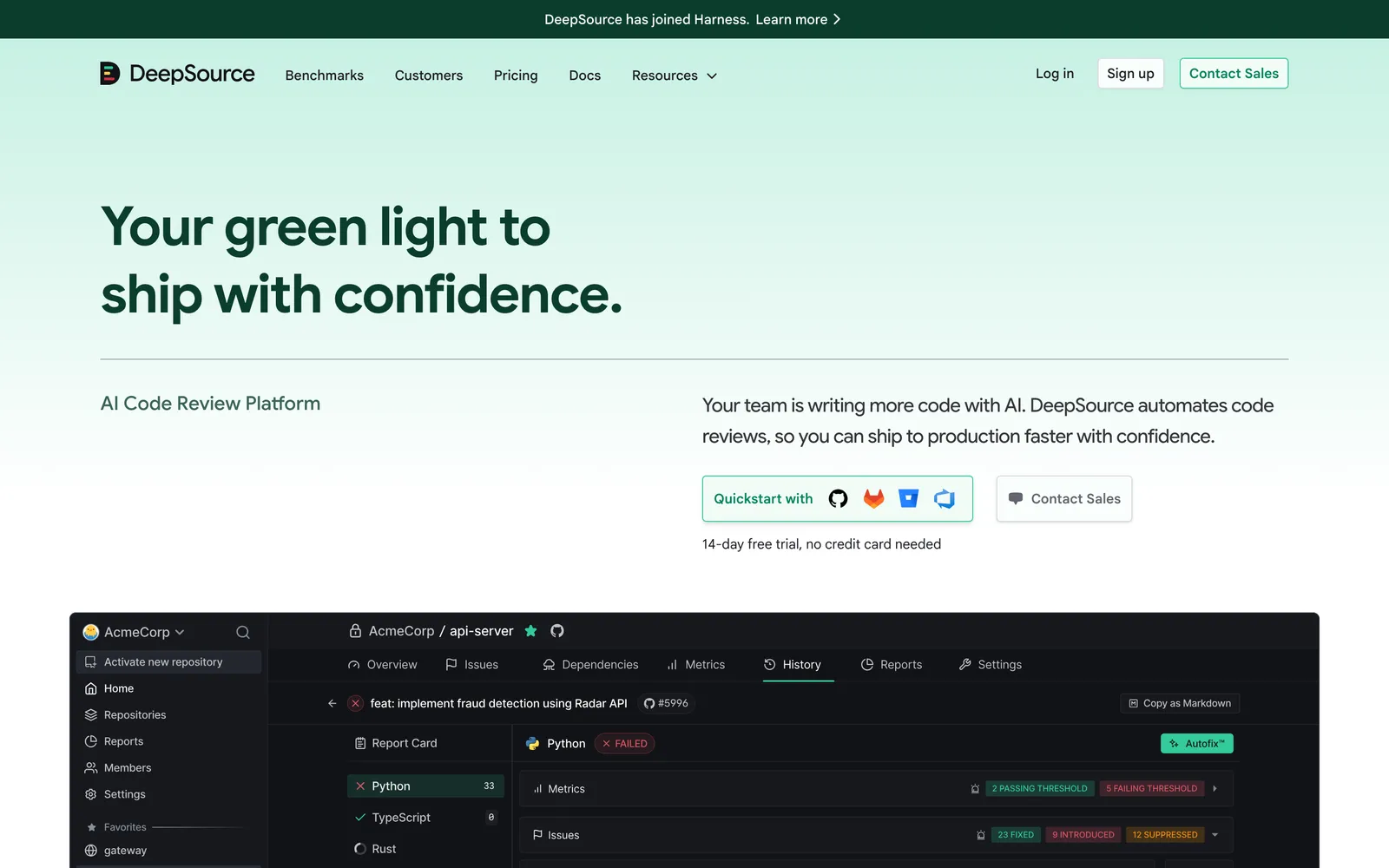
Harness acquired DeepSource on 9 September 2026. The announcement says existing workspaces keep working and that DeepSource's capabilities will move into the Harness platform over time, and the homepage banner reads "DeepSource has joined Harness" (read 22 September 2026).
Monorepos and four hosts. Static analysis, security scanning, Autofix and a metered AI review on pull requests, with explicit monorepo support.
Price and unit, checked 30 August 2026: Team $24/user/mo annual ($30 monthly); AI Review $8 per 10,000 processed lines on standard or $15 on advanced, after a $100 annual credit per user.
Free plan or trial: Open Source plan free for public repos with AI review pay as you go; 14-day trial with up to $50 in AI credits.
Git hosts: GitHub, GitLab, Bitbucket, Azure DevOps. API and webhooks, Slack, Jira. Self-hosted: Enterprise, air-gapped, bring your own model key.
Standout: monorepo support, Autofix and, by DeepSource's own count, more than 5,000 deterministic rules that cost nothing per line.
Main limit: "unlimited PR reviews" does not cover the AI review, which is metered by processed lines. Read that twice if you are leaving Bito over metering.
Migration note: analysers first, then AI review with a spend cap.
Sources: deepsource.com/pricing, billing docs.
9. Snyk Code
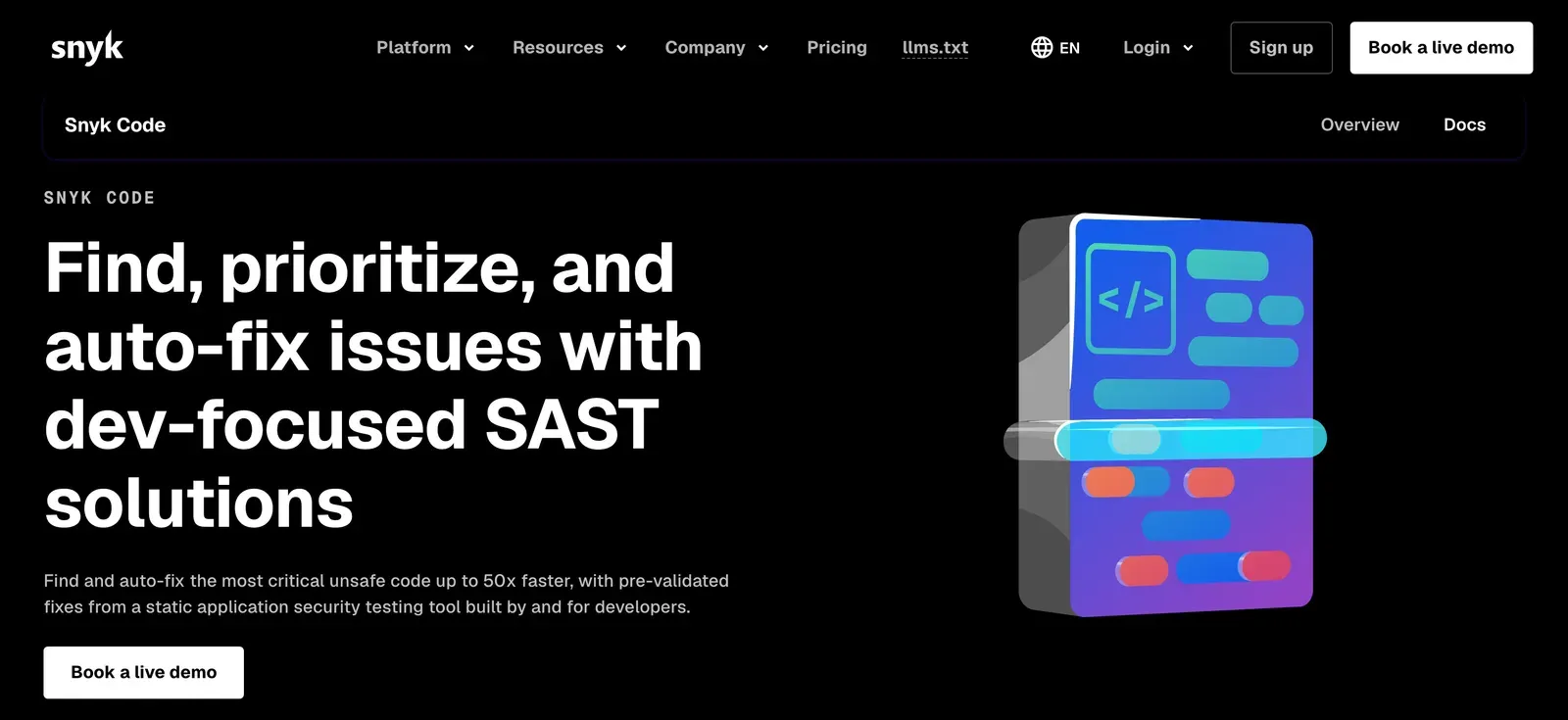
The security-only branch. Static application security testing that finds vulnerabilities in source code and suggests fixes, inside Snyk's dependency, container and infrastructure-as-code platform.
Price and unit, read 22 September 2026 on snyk.io/plans: Team from $25 a month for up to 10 developers, with 1,000 Snyk Code tests a month; Enterprise is credit-based through sales.
Free plan or trial: Free $0 a month with 100 Snyk Code tests a month.
Git hosts: GitHub, GitLab, Bitbucket, Azure Repos. IDE, CLI and CI. Self-hosted: not offered; Snyk Broker connects private Git servers but the analysis runs in Snyk's cloud.
Standout: security depth with data-flow analysis and fix suggestions.
Main limit: a security scanner, not a general reviewer for logic, design or style.
Migration note: pair it with a general reviewer. Swapping Bito for it leaves logic and style review uncovered.
Sources: snyk.io/plans, Snyk Code.
10. SonarQube
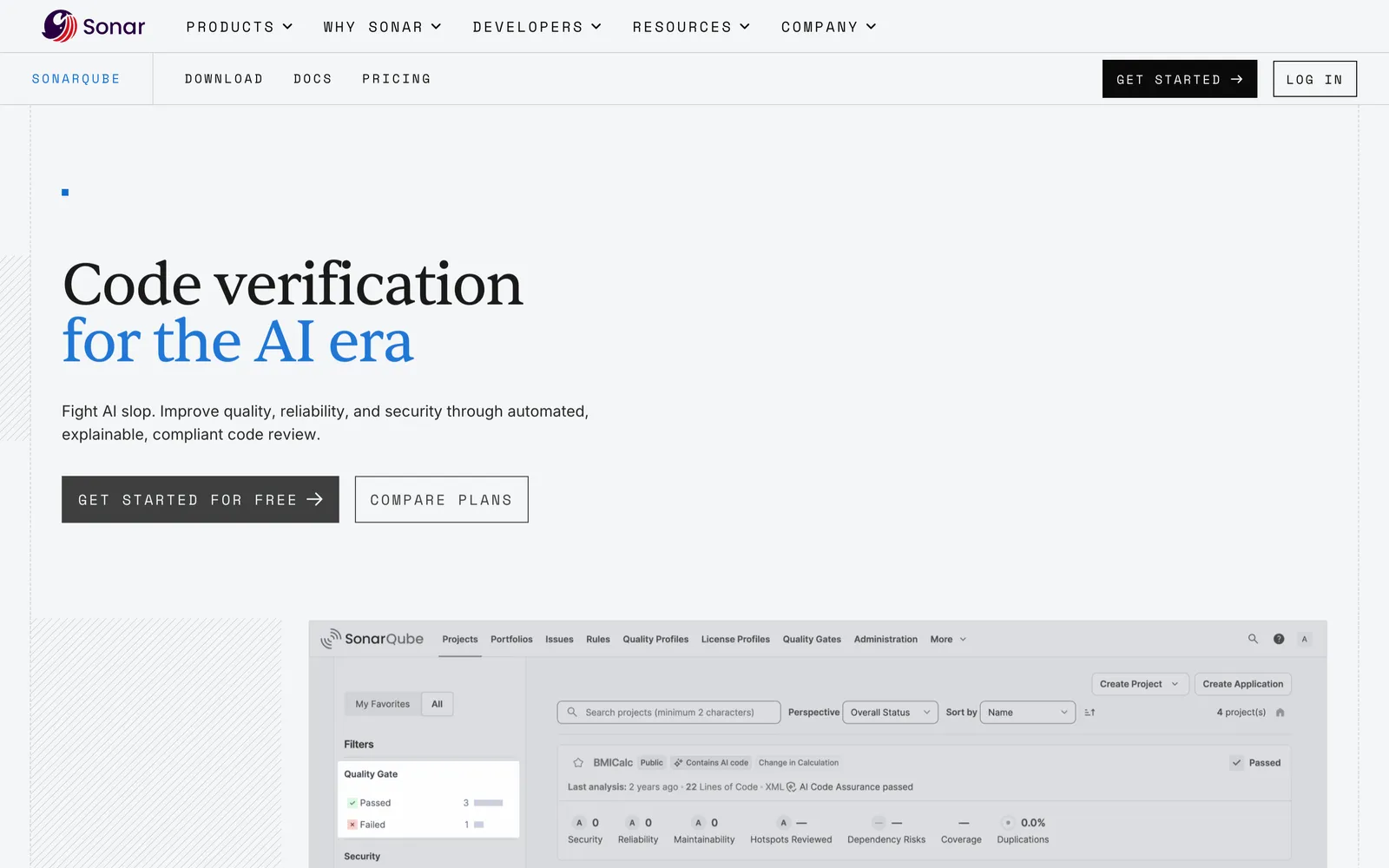
The open-source, self-managed gate. Deterministic code quality and security analysis with quality gates on branches and pull requests, as SonarQube Cloud, a self-managed Server, or the open-source Community Build.
Price and unit, checked 30 August 2026: Cloud Team from $34/mo per instance up to 100,000 lines of code; Server priced per instance per year by lines of code.
Free plan or trial: Cloud free tier up to 50,000 private lines that never expires; Community Build free and open source; 14-day trial on paid plans.
Git hosts: GitHub, GitLab, Bitbucket Cloud, Azure DevOps. SonarQube for IDE is free. Self-hosted: yes, Server and Community Build.
Standout: enforceable quality gates across 30-plus languages, and the mature self-hosted option at no licence cost on Community Build.
Main limit: not a conversational reviewer, and price scales with lines of code rather than people.
Migration note: set the quality gate first, then wire it into branch protection.
Sources: plans and pricing, SonarQube.
Migrating off Bito
Inventory what you actually use. Custom review rules, file and branch exclusions, Jira or Confluence links, which hosts, which IDE plugins, and whether you are on Bito cloud or self-hosted.
Pick 20 to 30 representative pull requests: small fixes, large refactors, generated code, security changes and one cross-repo change. Generated code matters most here, because it is what drives your overage.
Run Bito and the candidate side by side for one sprint with the candidate's comments non-blocking.
Measure the same five things for both: actionable findings, false positives, misses caught by humans or CI, time to first comment, and cost per reviewed pull request. For Bito, record reviewed lines too, since that is what drives the bill. The method is in our guide to AI code review.
Recreate rules and branch protection in the new tool and test the host, IDE, ticketing and self-host workflows you rely on, not just the pull request comment.
Move merge gates only after the replacement passes, then remove Bito's Git app, tokens and IDE plugins last.
See also
Frequently Asked Questions
How much does Bito cost?
Team is $12 a seat a month billed annually, or $15 monthly. Professional is $20 annually, or $25 monthly. Both include 5,000 reviewed lines per seat per month, and extra lines cost $5 per 1,000. Self-hosting adds $5 a seat on Professional.
Is Bito free?
No permanent free plan. Professional has a 14-day trial without a credit card. The "14 days free" on the product page refers to that trial, not to a free tier, so there is no indefinite free option for private repositories.
Does Bito support GitLab and Bitbucket?
Yes. Bito documents GitHub, GitLab and Bitbucket, each in both cloud and self-hosted variants. That three-host coverage in both forms is one of the reasons the low seat price is competitive.
Can Bito be self-hosted?
Yes. Professional adds self-hosting for $5 a seat a month, which is the only published self-host price among the dedicated reviewers. Enterprise adds full on-premises deployment along with custom usage limits and cross-repo impact analysis.
What is the best Bito alternative?
CodeRabbit for a like-for-like reviewer without a line meter, at $24 a seat. Greptile if you want a free tier for one developer. Qodex if you want findings verified by running your tests against the pull request rather than inferred from the diff.
Is there a free alternative to Bito?
Yes. Greptile Starter is free for one active developer with unlimited repositories and 50 credits a month, and Qodex Free reviews 20 pull requests per developer a month, for up to 2 developers, across unlimited public and private repositories, with no card.
Is there an open-source Bito alternative?
Qodo's PR-Agent is the closest for a self-hosted review bot with your own model key. SonarQube Community Build is the open-source option for static analysis and quality gates. They cover different halves of what Bito does.
Which Bito alternative is best for monorepos?
DeepSource for explicit monorepo support, Greptile for whole-repository static context, and Qodex when you want the changed directory tested rather than only read. Bito itself does not publish monorepo-specific handling.
How does Bito's line-based price compare with seat and credit pricing?
Count last month's reviewed lines per seat. Under 5,000 a seat, Bito is the cheapest option here. Above it, add $5 per 1,000 lines and compare the total against a flat $24 CodeRabbit seat or a $30 Qodo credit pack.
How is Qodex different from Bito?
Bito indexes the codebase and reviews the diff against that index. Qodex reads the changed files and the code graph too, then probes what the models claim against the pull request's preview and can run your API, UI and security scenarios. Qodex is GitHub only and has no line meter.
The short version
Bito is the cheapest seat here and earns it, but the seat is only half the bill. If your pull requests are small and hand-written, the line quota never bites. If they carry generated code, or if you want a free tier, the meter and the missing free plan decide it for you. And if your real complaint is that a review comment is a guess you still have to verify, more indexing does not fix that, because none of these tools run the code. Qodex does, on GitHub, priced per developer.