Korbit AI Code Review: Status, Pricing, Alternatives
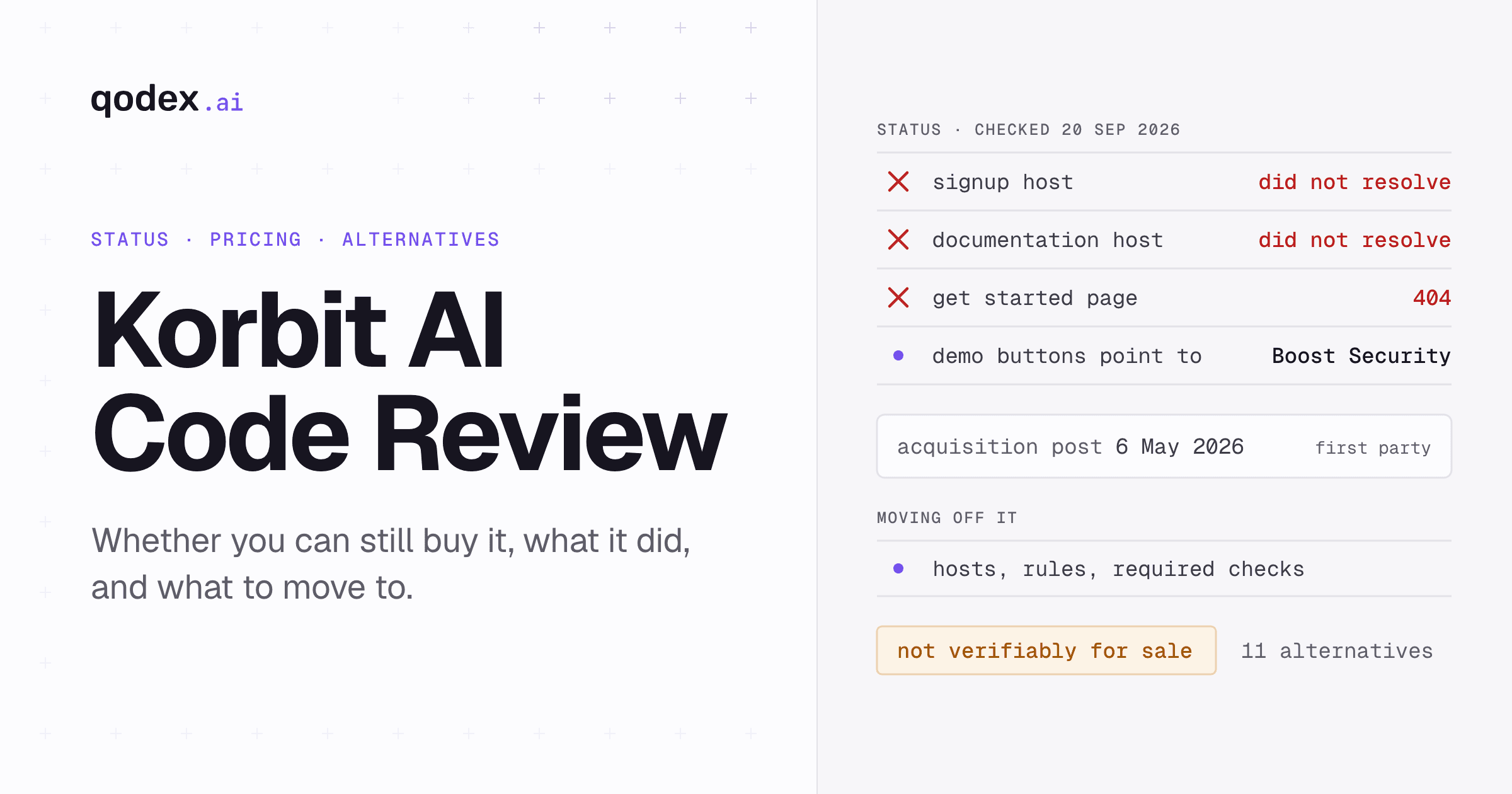
Korbit AI code review was a pull request reviewer for GitHub, GitLab and Bitbucket. Its signup host and its documentation host did not resolve when we checked on 22 September 2026. The get started page returned 404, and the demo buttons on its pricing page point at Boost Security, which announced its acquisition of Korbit.ai in a post dated 6 May 2026. The plan cards still on the site are historical. Start a replacement search with CodeRabbit, then compare the table below by Git host, deployment and review depth.
Is Korbit AI code review still available?
Not in any way we could verify on 22 September 2026. Here is what we checked and what came back.
Boost Security published a post titled "Announcing two acquisitions and a funding round", dated 6 May 2026 on the page, naming Korbit.ai as one of two acquisitions. Boost calls Korbit "an impressive Code Review solution" with built-in AI Native SAST. Those are Boost's own words about what it bought.
The Korbit pricing page still renders, as do the homepage, the FAQ and the security page. Every "Request Demo" button on the pricing page links to boostsecurity.io rather than to a Korbit checkout.
The Korbit get started page returned HTTP 404. The signup host app.korbit.ai and the documentation host docs.korbit.ai returned no DNS record.
That supports one claim and not a stronger one. Korbit is not verifiably sold or usable on its own right now, and Boost Security says it acquired Korbit.ai. It does not support a claim that every Korbit system is switched off for good, because a failed lookup can be temporary. Korbit has published no shutdown notice of its own that we could find.
A competitor, CodeAnt, published a migration page dated 17 September 2025 saying Korbit announced it was shutting down operations. We could not confirm that against anything Korbit published, so treat it as a competitor's account. The first-party record is the acquisition post and the broken signup.
What was Korbit AI code review?
Korbit reviewed pull requests. It read the change with project context, flagged issues it judged high impact, explained the fix, and answered follow-up questions in the thread. It also wrote the pull request description and a summary of its own review. Everything described here comes from Korbit's own pages, read 20 September 2026, so it is vendor copy rather than tested results.
The homepage promised "contextual, adaptive code reviews with fewer false positives", with the bot supplying replacement code in the pull request. The FAQ explains the adaptive part. Korbit learned which issue types a team resolved, ignored, or marked with a thumbs-down on GitHub, then suppressed similar findings under certain conditions. Teams could switch adaptive reviews off in the Korbit Console.
The second half of the product was reporting. Korbit Insights generated release notes, stand-up reports, sprint reviews and 1:1 summaries from pull request activity. On the Max plan those reports could arrive daily or weekly in Slack.
The homepage advertises 331 million lines reviewed, 661,000 pull requests reviewed and 37,000 bugs found and fixed, alongside "over 22K developers". No method is published beside those figures. Korbit's FAQ also answered the obvious question directly: an AI reviewer was not meant to replace human reviewers.
Korbit features, integrations and limits
The table below is the surviving first-party record, read 20 September 2026 from Korbit's homepage, FAQ, pricing page and security page.
| Area | What Korbit's own pages said |
|---|---|
| Git hosts | GitHub, GitLab, Bitbucket. Per-repository access on GitHub, workspace access on Bitbucket. |
| IDE or CLI | Nothing documented. Korbit was a pull request bot. |
| Languages | "Over 13 programming languages and frameworks", with the list left to docs that no longer resolve. |
| Review modes | Automatic and manual reviews, plus Comprehensive and Essential modes. |
| Concurrency | Pro: two scans in parallel with a queue. Max: higher limits, no numbers published. |
| Reports | Core Insights on Pro, more report types and Slack delivery on Max. |
| Custom rules | Custom policies on Max. Pro tuned issue categories and severities. |
| Security posture | SOC 2 Type II, TLS in transit, no training on customer code, zero-day retention with OpenAI and Anthropic. |
Two rows need a caveat. The language claim cannot be checked, because the page holding the list is gone. The security claims were accurate on a trust page while the product was sold. They are not assurances you can rely on now, and a SOC 2 report is evidence about controls, not proof that any regulation is met.
One independent hands-on test sits beside the vendor copy. DevTools Academy ran one JavaScript change through four reviewers including Korbit. It reported useful logging and performance comments from Korbit, no ready-to-paste code suggestions, thinner chat answers, and no security warning on that sample. That is one sample from one author, not a benchmark.
Korbit pricing was historical, not a current offer
Korbit's pricing page still shows three plan cards. These are the prices it advertised, read 20 September 2026, and they are an old rate card rather than something you can buy.
| Historical plan | Advertised price | What the card listed |
|---|---|---|
| Pro | $12 per user monthly billed annually, $15 monthly | Unlimited reviews and descriptions, unlimited users and repositories, Console, core Insights, codebase chat |
| Max | $18 per user monthly billed annually, $24 monthly | Pro plus custom policies, Slack delivery, more reports, higher limits for large pull requests |
| Enterprise | Custom, billed annually | Max plus on-premises installation, custom billing and MSAs, extra security checks |
The page also advertises a 14-day trial on all plans, no card according to the FAQ, and Korbit Max free for open source repositories. Neither offer can be redeemed while signup does not resolve. For billing, a user meant a git author.
A live price card is not proof that a product is for sale. These are static marketing pages on a CDN, and they keep rendering whether or not anything behind them takes a new customer.
Why teams need a Korbit alternative
Six questions cut the list below to two or three names.
Which Git host? GitLab or Bitbucket removes several options immediately.
Do you need self-hosting? If Korbit Enterprise on-premises was your setup, check Qodo Enterprise, Bito's self-hosting add-on and SonarQube Server below.
What unit do you pay in? A flat seat, a credit, a reviewed line and a per-run charge behave differently in a heavy month.
Is whole-repository context the point? Some reviewers index the repository; others read the diff and nearby files.
Do you want deterministic rules and a gate you control? That is a static analysis purchase, not a chat reviewer.
Should findings be proven rather than asserted? Proving them means running the change, which is a different category from reading it.
Korbit alternatives at a glance
Every price was read on the vendor's own page on 20 September 2026. Korbit is the first row as a historical baseline. Wider view: our guide to the best AI code review tools.
| Tool | Git hosts | Price and unit, read 20 Sep 2026 | Main limit |
|---|---|---|---|
| Korbit AI (baseline) | GitHub, GitLab, Bitbucket | Historical: Pro $12 per user monthly annually, Max $18 | Not verifiably purchasable; signup and docs did not resolve |
| CodeRabbit | GitHub, GitLab, Bitbucket, Azure DevOps | Essentials $24 per developer monthly annually, $30 monthly | 5 reviews per developer per hour, under a fair usage policy |
| Qodex | GitHub | Pro $30 per developer monthly; Free covers 20 reviewed pull requests per developer a month, up to 2 developers | GitHub only |
| Qodo | GitHub, GitLab, Bitbucket, Azure DevOps | Pro Team $30 monthly, 2,500 pooled credits, $0.012 per extra | Credits vary with pull request size |
| CodeAnt AI | GitHub, GitLab, Bitbucket, Azure DevOps | On request: no price on its pricing page | Nothing published to compare |
| Greptile | GitHub, GitLab | Pro $30 per seat monthly, 50 credits, $1 per extra | Credit meter; a TREX review costs 3 credits |
| Bito | GitHub, GitLab, Bitbucket | Team $12 per seat monthly annually, $15 monthly | 5,000 reviewed lines per seat, then $5 per 1,000 |
| Graphite | GitHub | Team $40 per user monthly annually; Starter $20 | Unlimited AI review starts on the $40 plan |
| Cursor Bugbot | GitHub, GitLab, Bitbucket, Azure DevOps | Usage-based on a paid plan; Cursor Pro $20, Teams $40 per user | No fixed rate card per review |
| Copilot code review | GitHub | Copilot Pro $10 per user monthly; Business $19 | Reviews spend GitHub AI credits on top of the seat |
| DeepSource | GitHub, GitLab, Bitbucket, Azure DevOps | Team $24 per user monthly; AI Review $8 per 10,000 lines | AI review metered by lines, separate from the seat |
| SonarQube | GitHub, GitLab, Bitbucket, Azure DevOps | Cloud Team from $34 monthly (discounted from $68) up to 100,000 lines of code | Priced by lines of code; not a chat reviewer |
The 11 best Korbit alternatives
1. CodeRabbit
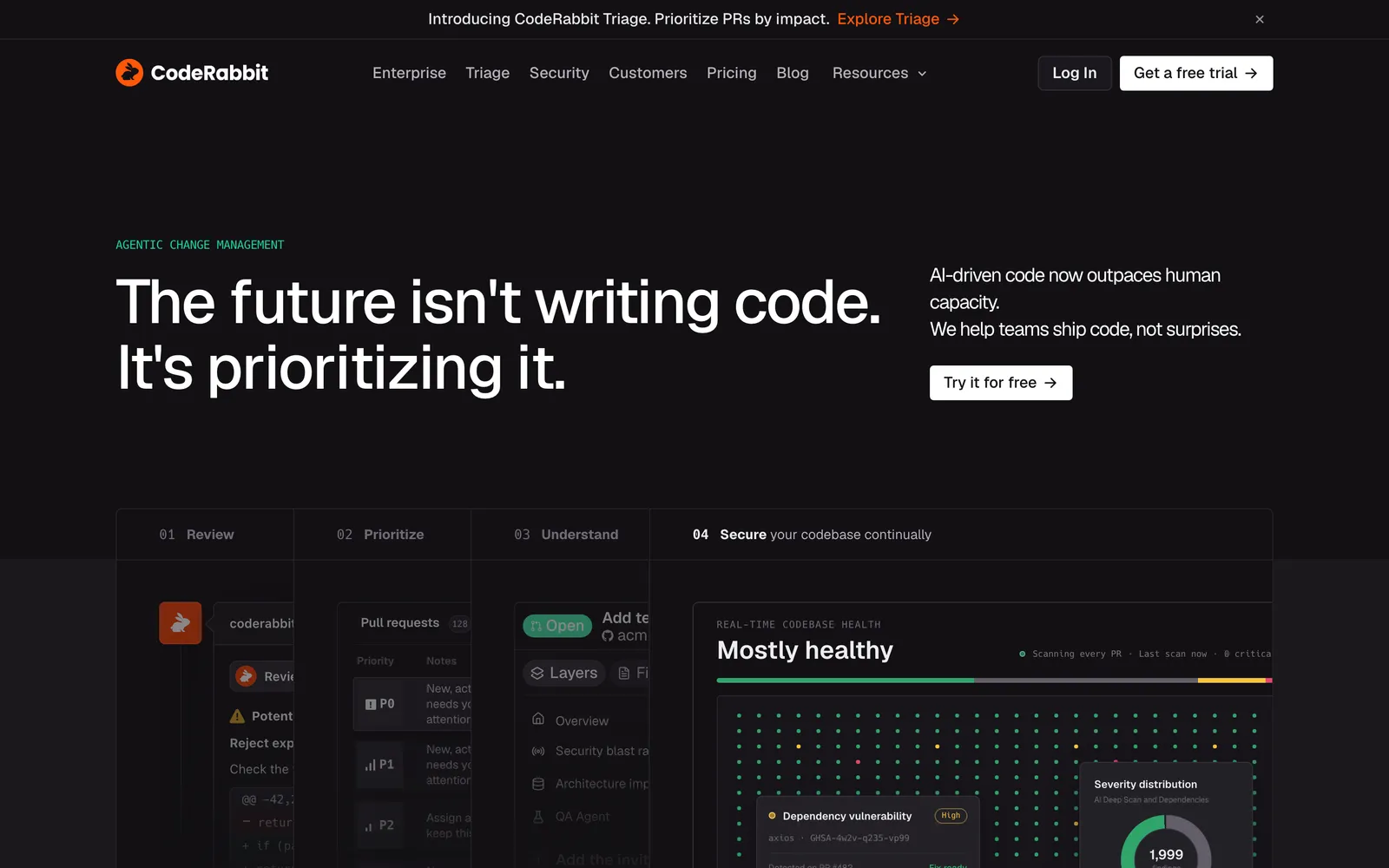
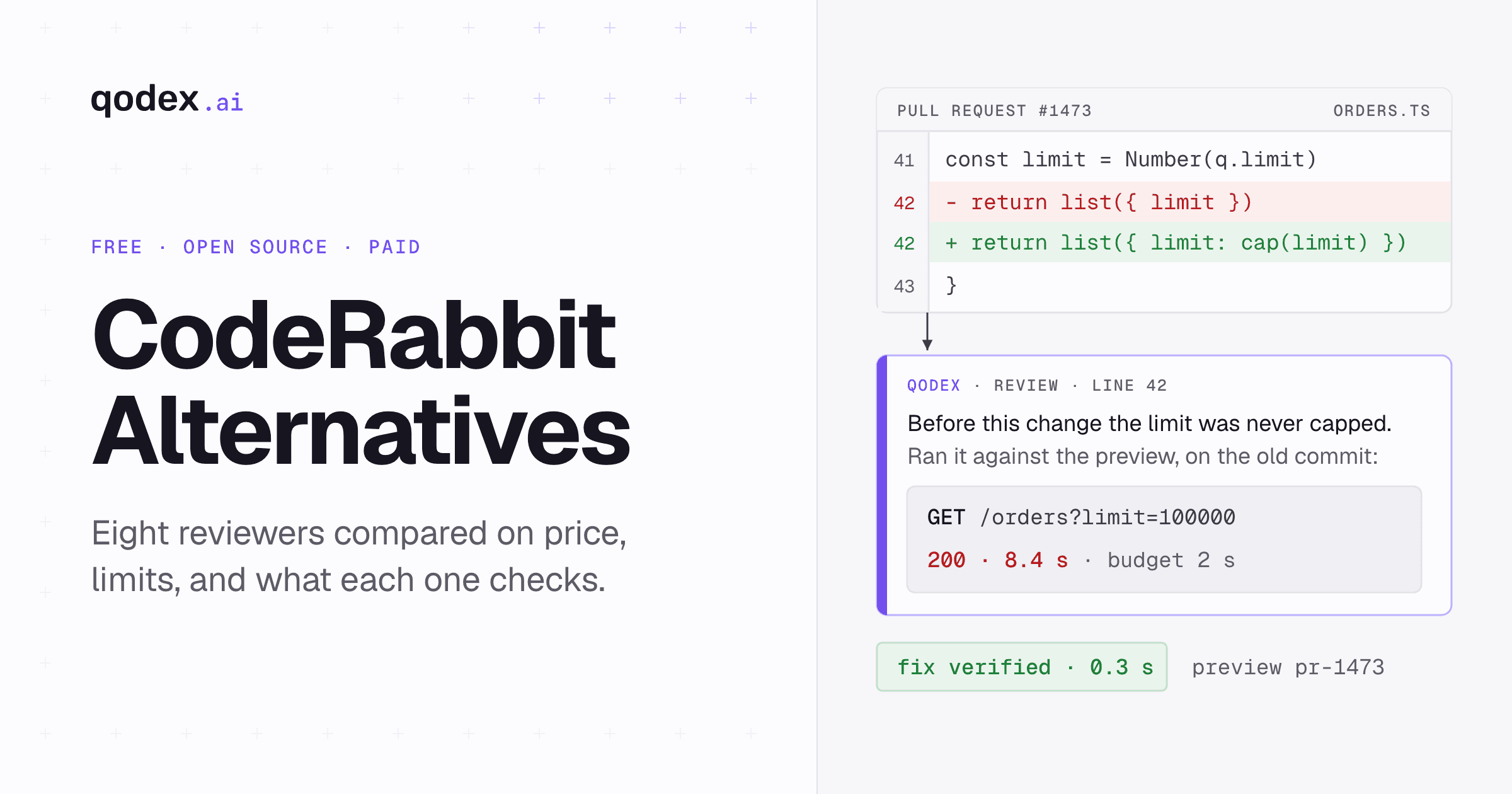
The nearest match to Korbit's shape: pull request summaries, inline comments, one-click fixes, chat in the thread, learned team rules, linters and SAST tools, across all three of Korbit's hosts plus Azure DevOps.
Read 20 September 2026 on the CodeRabbit pricing page: Essentials is $24 per developer per month billed annually, or $30 monthly. Team is $48 annually, Advanced $72. Public repositories are free, and every plan opens with a 14-day trial that needs no card.
Check the throughput line before switching. Essentials allows 5 reviews per developer per hour under a fair usage policy, with further eligible reviews at $0.25 per reviewed file. More in our CodeRabbit alternatives guide.
2. Qodex
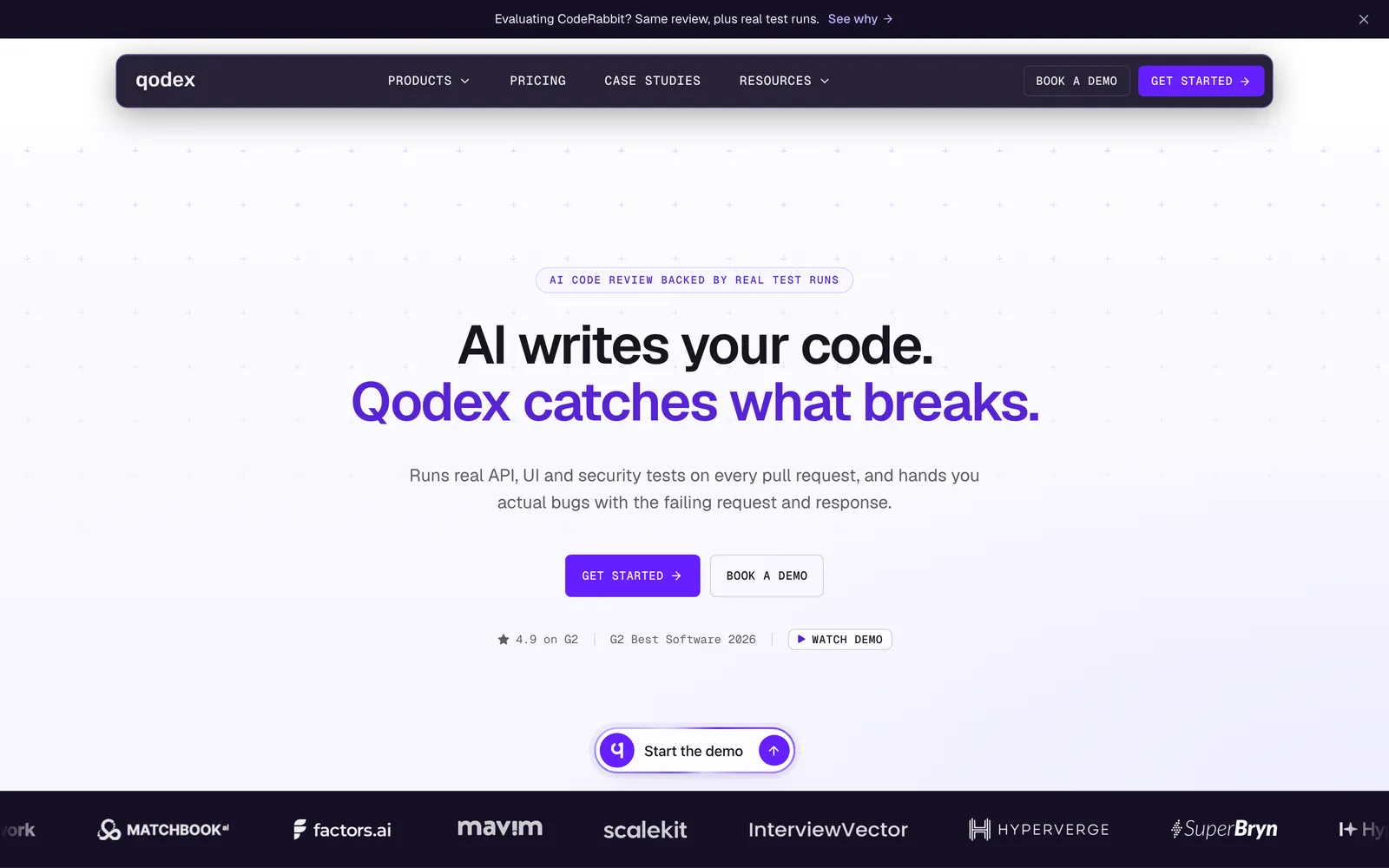
Qodex is AI code review that runs your tests on every pull request. In its own words: "More than a dozen static analyzers, a full read of every changed file, a blast-radius pass, two frontier models, and live probes against the preview. Six passes before a single comment is posted."
It arrives as a GitHub App and reports as a pull request status check. The free plan covers 20 reviewed pull requests per developer a month, for up to 2 developers, with 2 automatic reviews per pull request. Pro comes with a 14-day free trial with no credit card, and Free needs no credit card at all. See how the review works.
3. Qodo
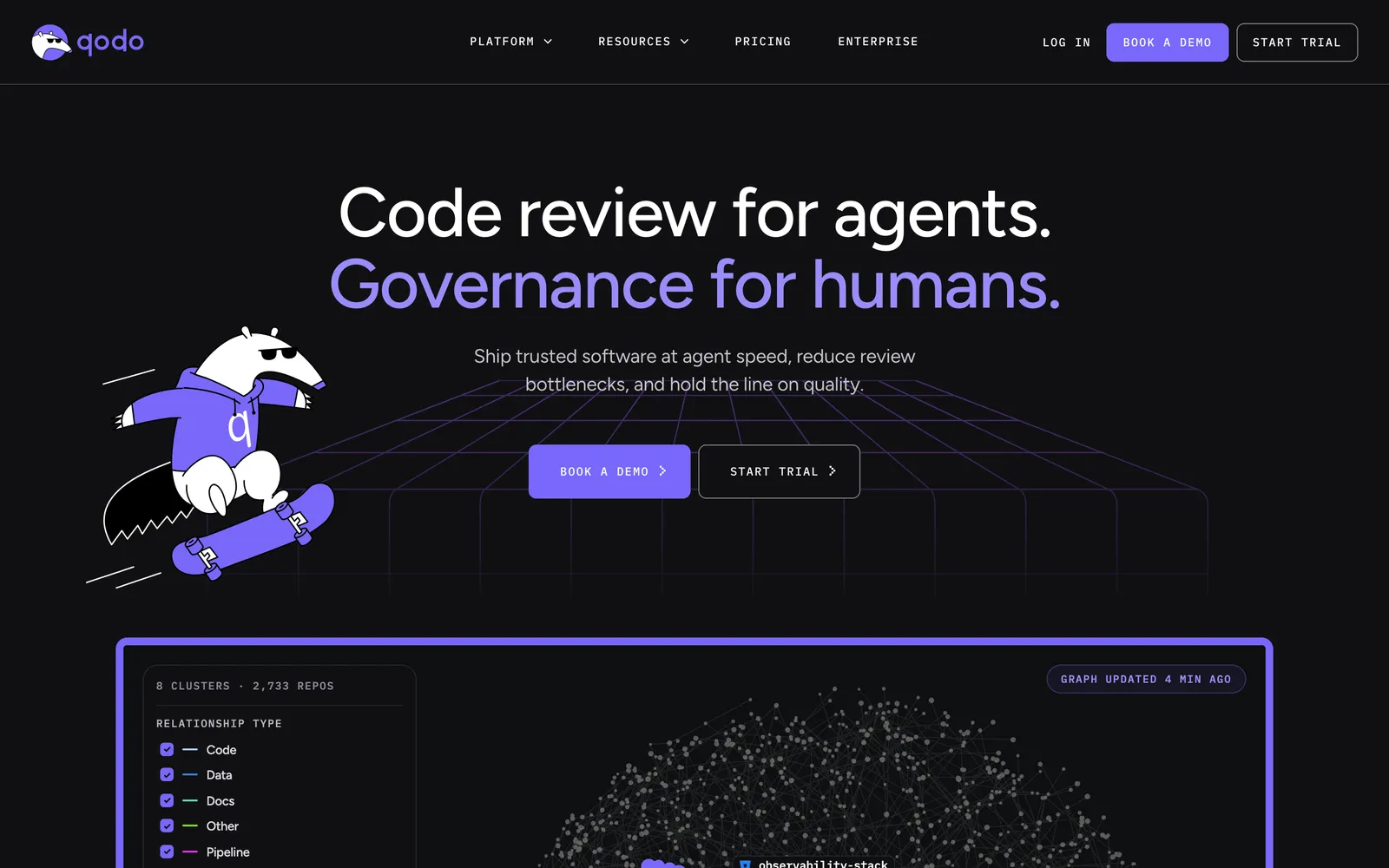
Qodo, formerly CodiumAI, suits a GitLab or Bitbucket team that wants rules enforced across the organisation. It pairs agentic pull request review with a rules system, Git and IDE integrations and a dashboard. One naming note, since search results mix them up: Qodo at qodo.ai and Qodex at qodex.ai are different companies.
Read 20 September 2026 on the Qodo pricing page: Pro Team is $30 a month with a 2,500-credit pack, labelled on the page as about 18 reviews a month. Extra credits are $0.012 each, pooled across the team. The trial is 14 days without a card. Enterprise adds SSO, your own model keys and single-tenant or on-premises deployment, the closest published match to Korbit Enterprise.
4. CodeAnt AI
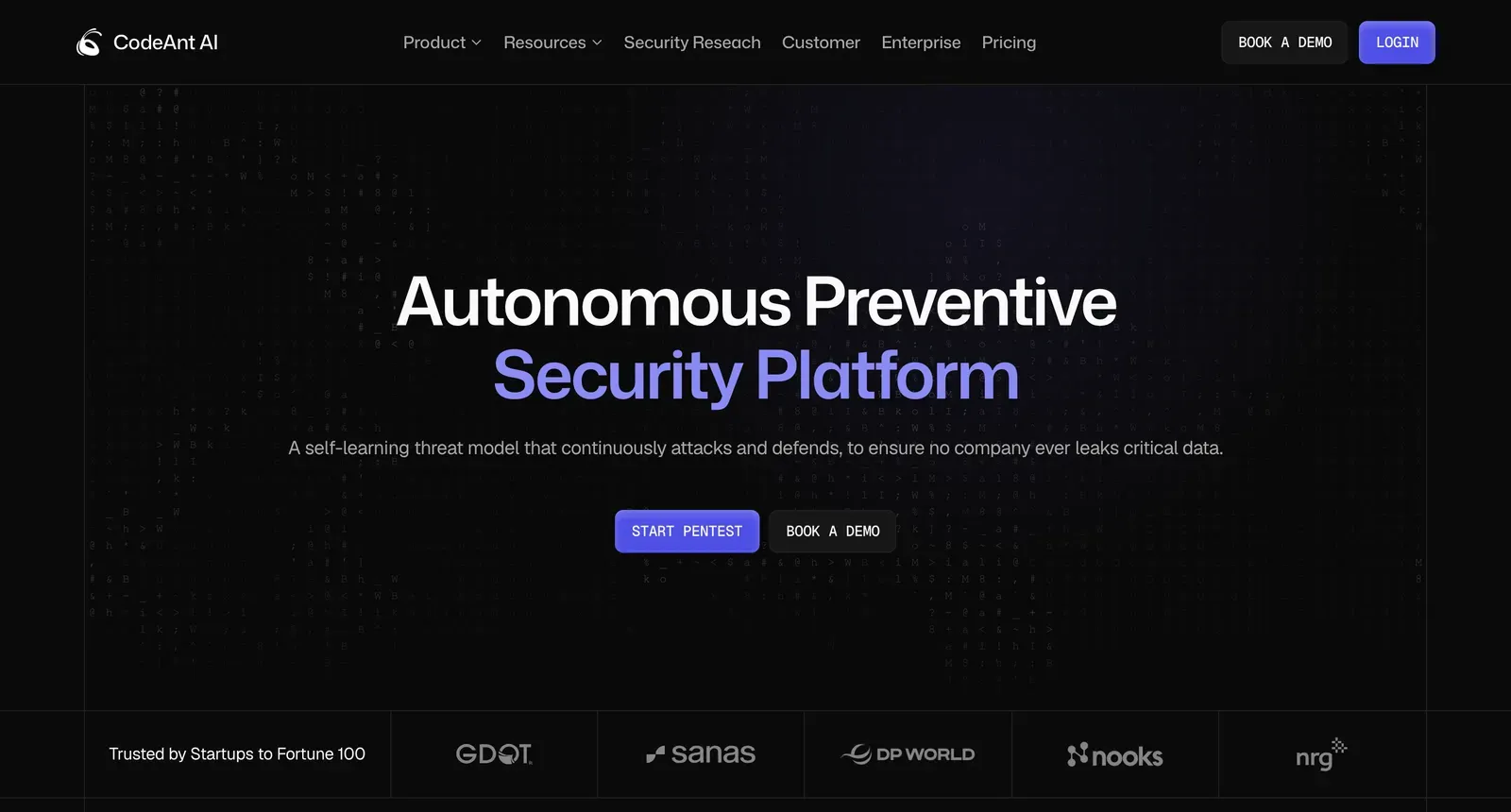
CodeAnt published the Korbit migration page, so it turns up in any search on this topic. It sells AI code review beside code security, code quality and developer metrics, across GitHub, GitLab, Bitbucket and Azure DevOps.
Pricing is on request. Its pricing page showed no price for code review when we read it on 20 September 2026. The page does advertise a 14-day trial with no card and free use for open source projects.
The DevTools Academy comparison above put CodeAnt through the same change as Korbit, which makes it one of the few options here with published side-by-side output.
5. Greptile
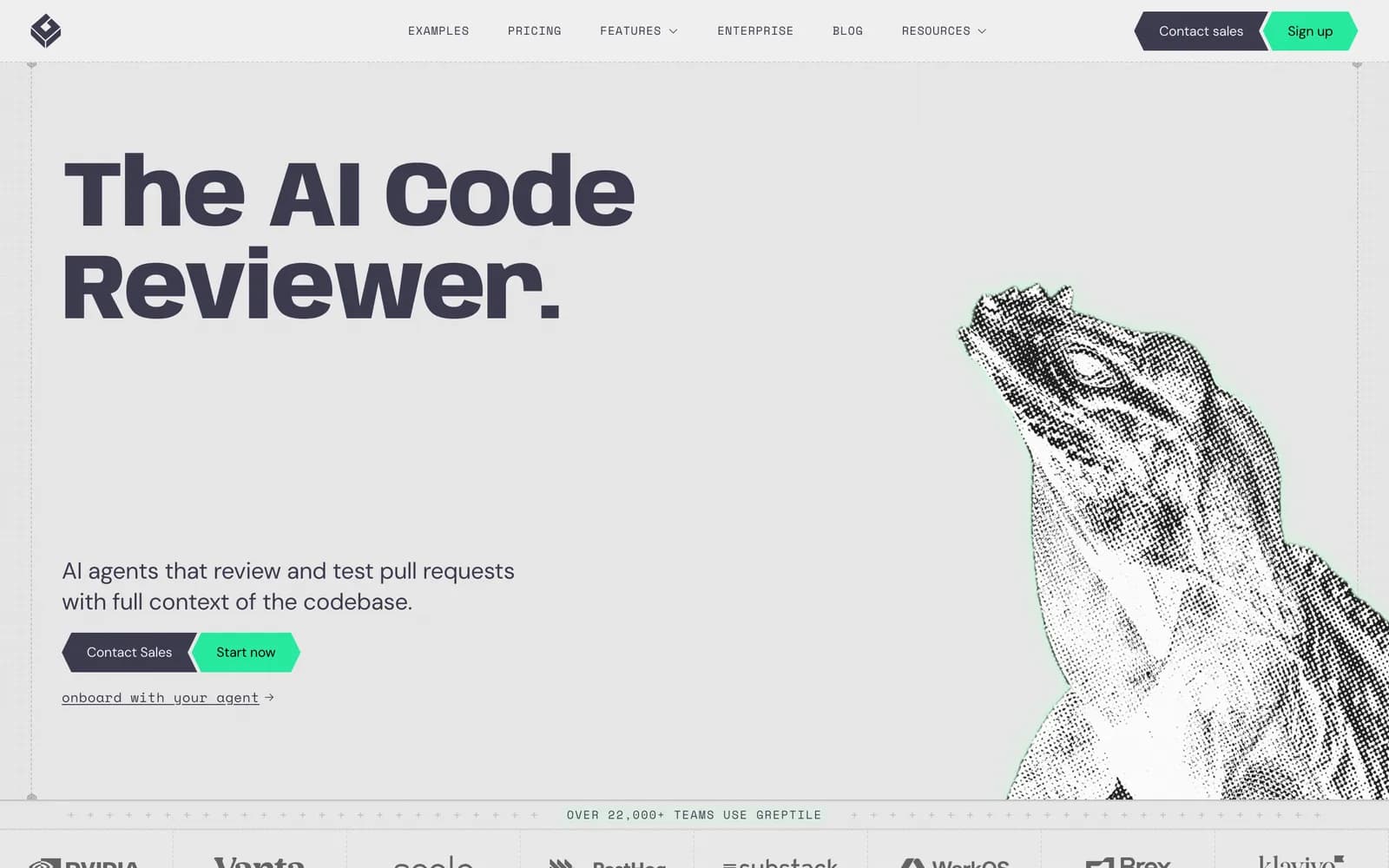
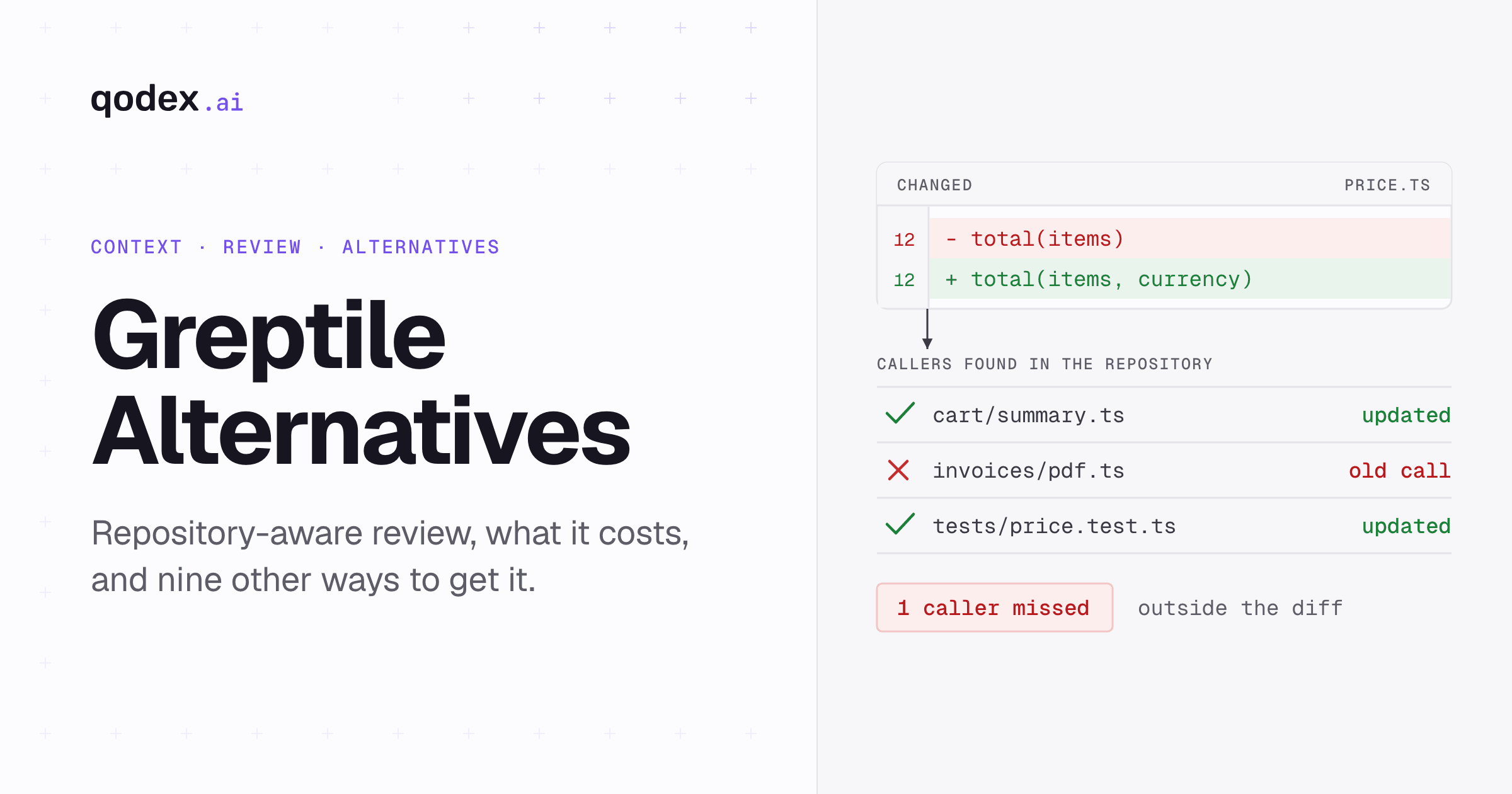
Greptile indexes a repository into a graph of files, functions and dependencies, then reviews each pull request against that whole-repository picture rather than the diff alone. TREX, its runtime validation mode, costs three credits instead of one.
Read 20 September 2026 on the Greptile pricing page: Pro is $30 per seat per month with 50 credits per seat, extra credits $1 each. The free plan covers one active developer with unlimited repositories and 50 credits a month. Credits reset monthly and do not roll over.
Hosts are GitHub and GitLab, with no documented Bitbucket support, which rules it out for part of Korbit's old audience. See our Greptile review and alternatives.
6. Bito
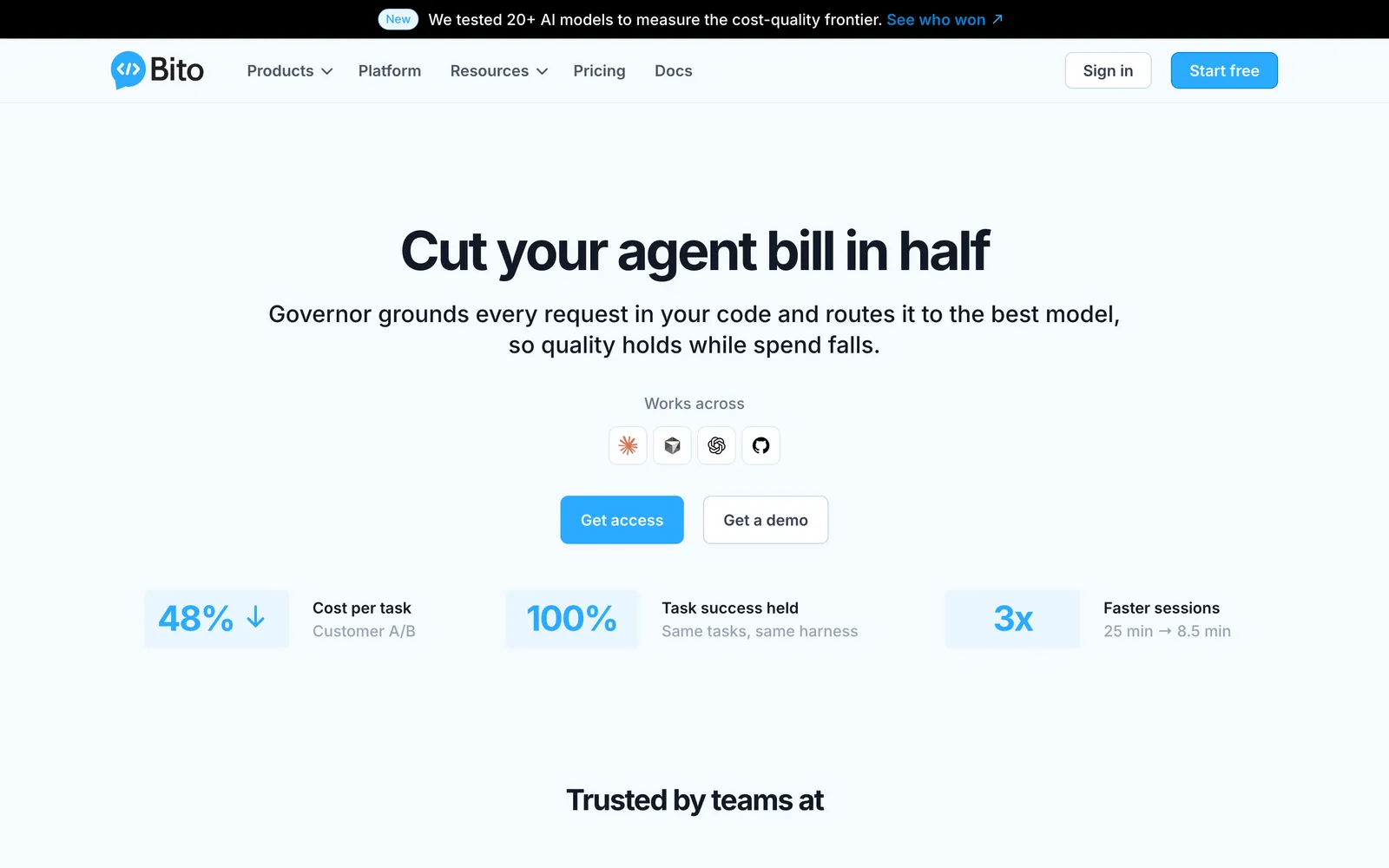
Bito is the closest match on price. Team is $12 per seat per month billed annually, the figure Korbit Pro advertised, across the same three Git hosts. Its homepage, read 22 September 2026, describes system-aware pull request reviews across GitHub, GitLab and Bitbucket.
Read 20 September 2026 on the Bito pricing page: Team $12 per seat annually or $15 monthly, Professional $20 or $25. Both include 5,000 reviewed lines per seat per month, then $5 per extra 1,000 lines. Self-hosting is a $5 per seat add-on on Professional.
Model the line meter before you sign, because a refactor-heavy month costs more than a flat seat. Our Bito review and alternatives has the detail.
7. Graphite
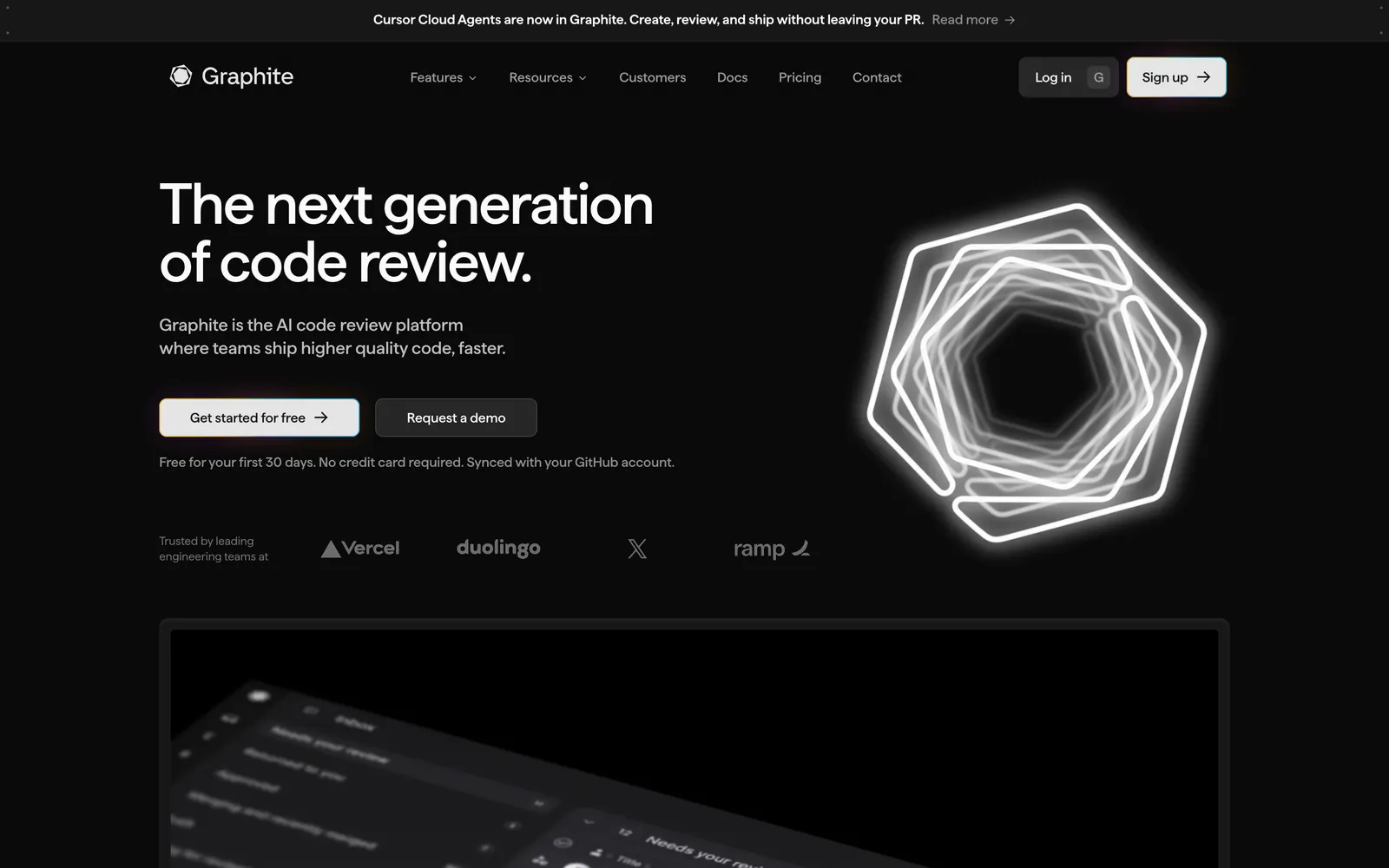
Graphite is a different workflow rather than a deeper reviewer: a GitHub platform for stacked pull requests, with an inbox, a merge queue, a CLI, a VS Code extension and AI reviews on top.
Read 20 September 2026 on the Graphite pricing page: Hobby is free for personal repositories with limited AI reviews. Starter is $20 per user per month billed annually. Team is $40 and carries unlimited AI reviews, review customisations, automations and the merge queue.
GitHub only, so it cannot cover a GitLab or Bitbucket team leaving Korbit. See our Graphite review and alternatives.
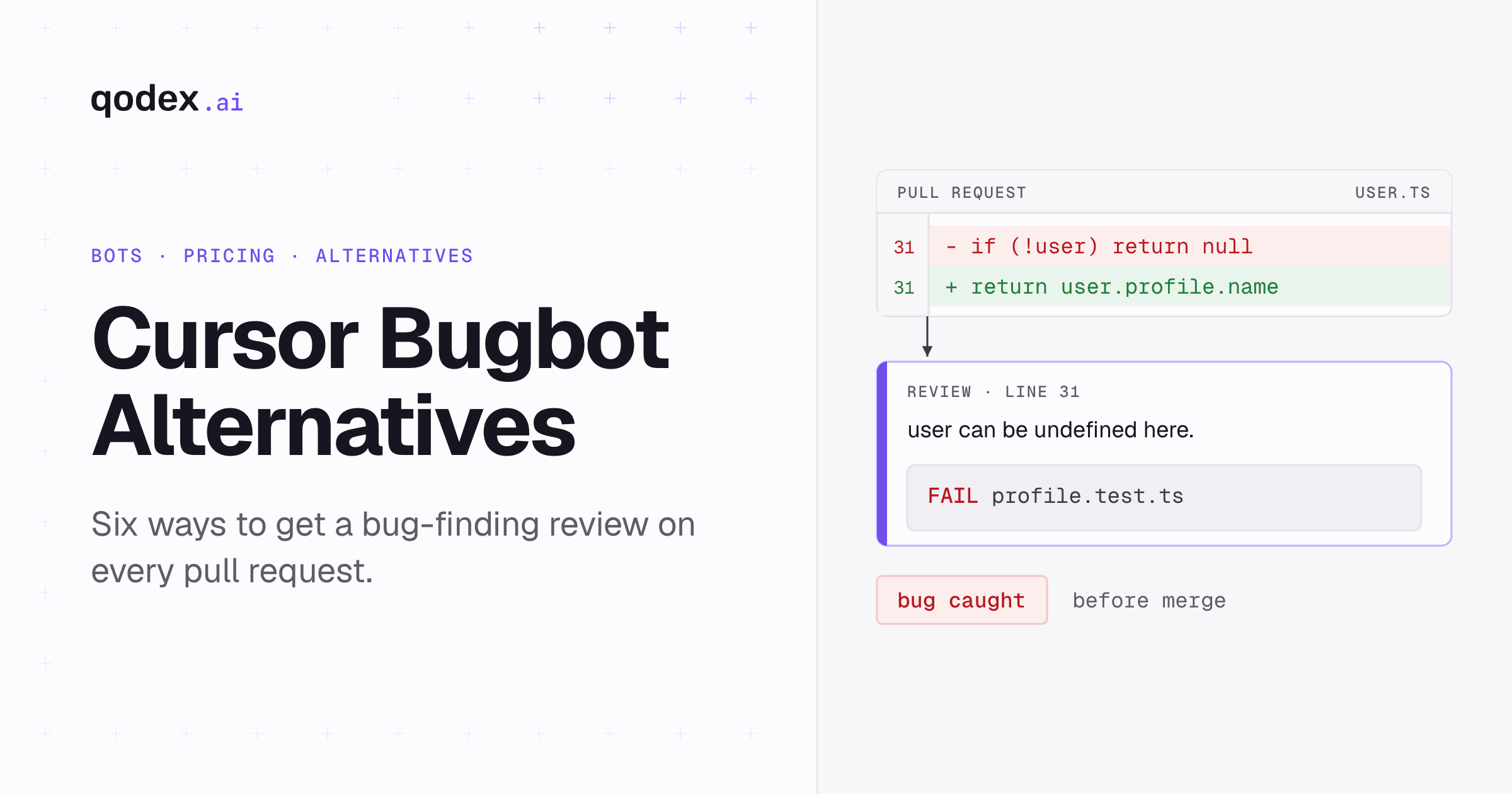
8. Cursor Bugbot
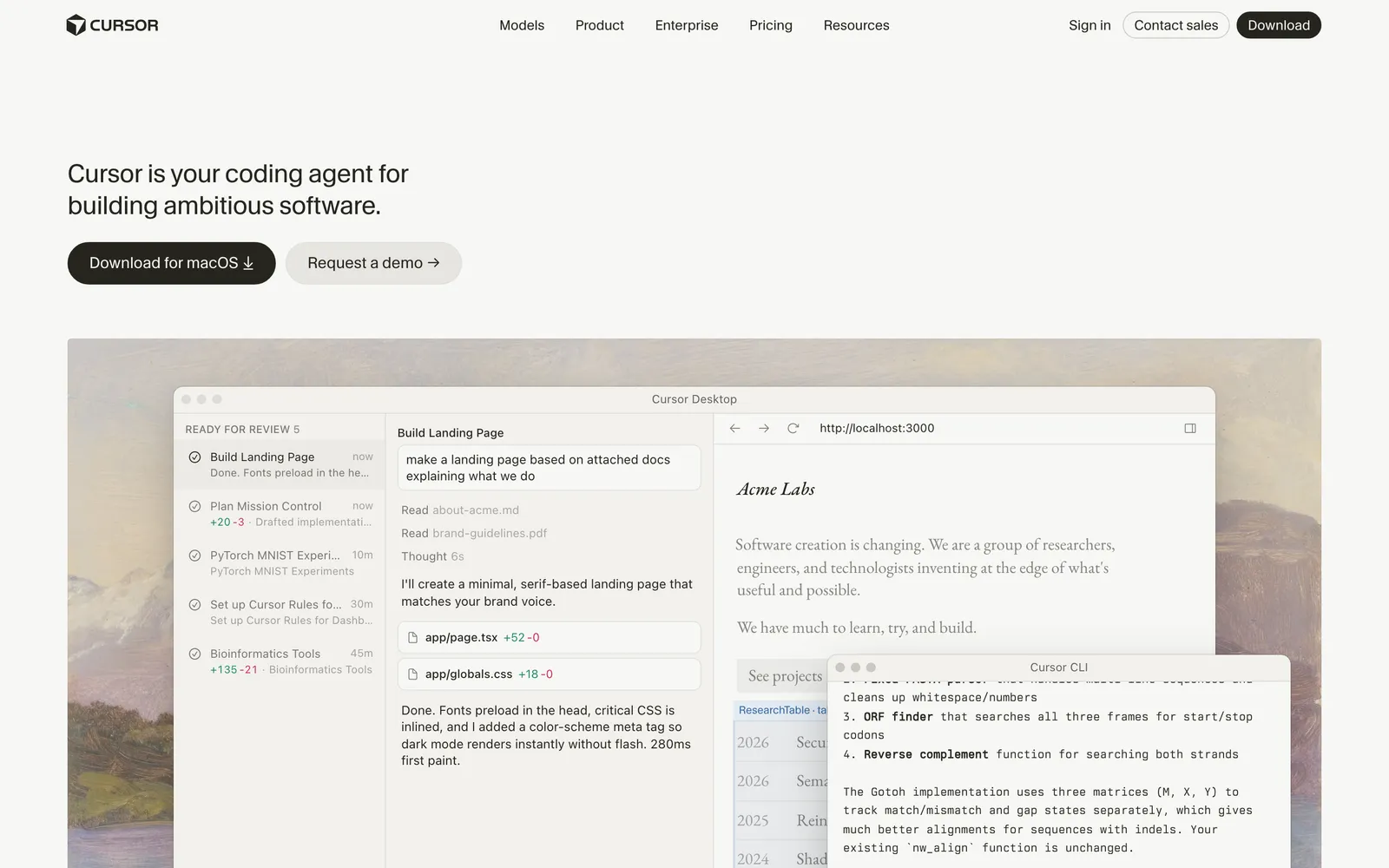
Bugbot suits a team already writing code in Cursor. It reviews pull requests for bugs and quality problems with repository rules, then hands the fix into the editor.
Read 22 September 2026 on the Cursor pricing page: Bugbot runs on usage-based billing on top of a paid plan. Cursor Pro is $20 a month, Teams is $40 per user per month with agentic code reviews included, and the free plan carries no Bugbot allowance. No per-review price is published, so budget from your own first month.
The Bugbot documentation, read 22 September 2026, lists GitHub, GitLab, Bitbucket and Azure DevOps, which matters for a Bitbucket team. Our Cursor Bugbot alternatives comparison goes further.
9. GitHub Copilot code review
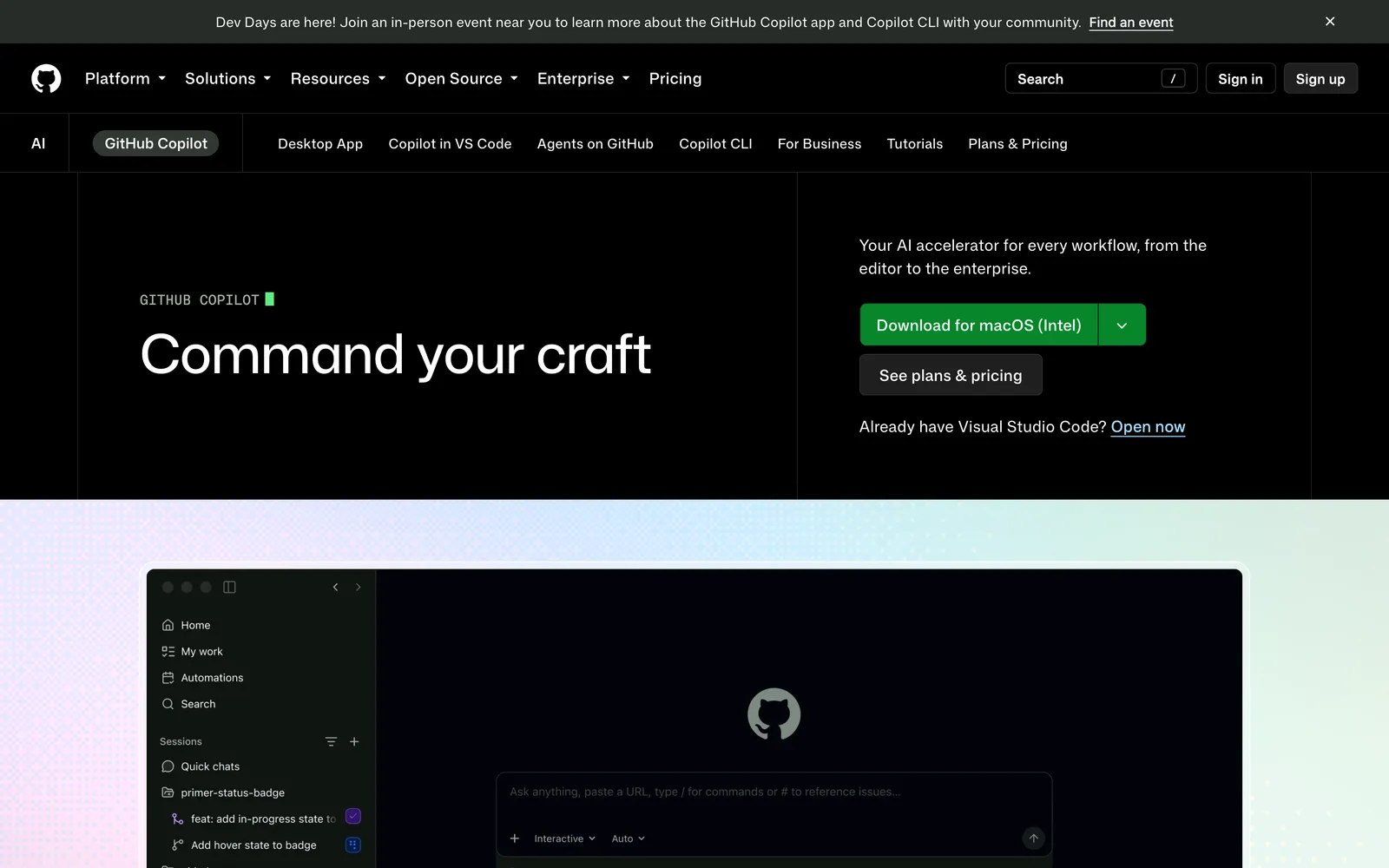
The no-new-vendor option for a GitHub team already paying for Copilot. The reviewer is requested from the pull request reviewer panel or run automatically, with suggested fixes and custom instructions.
Read 22 September 2026 on the Copilot plans page: Pro is $10 per user per month and is the first tier that includes code review. Pro+ is $39, Max is $100, and Business is $19 per user per month. Each plan carries a monthly GitHub AI credit allowance, $15 on Pro, and code review draws on it. The Free plan has no code review.
GitHub only, and credit spend sits on top of the seat, so a busy month is not a flat cost.
10. DeepSource
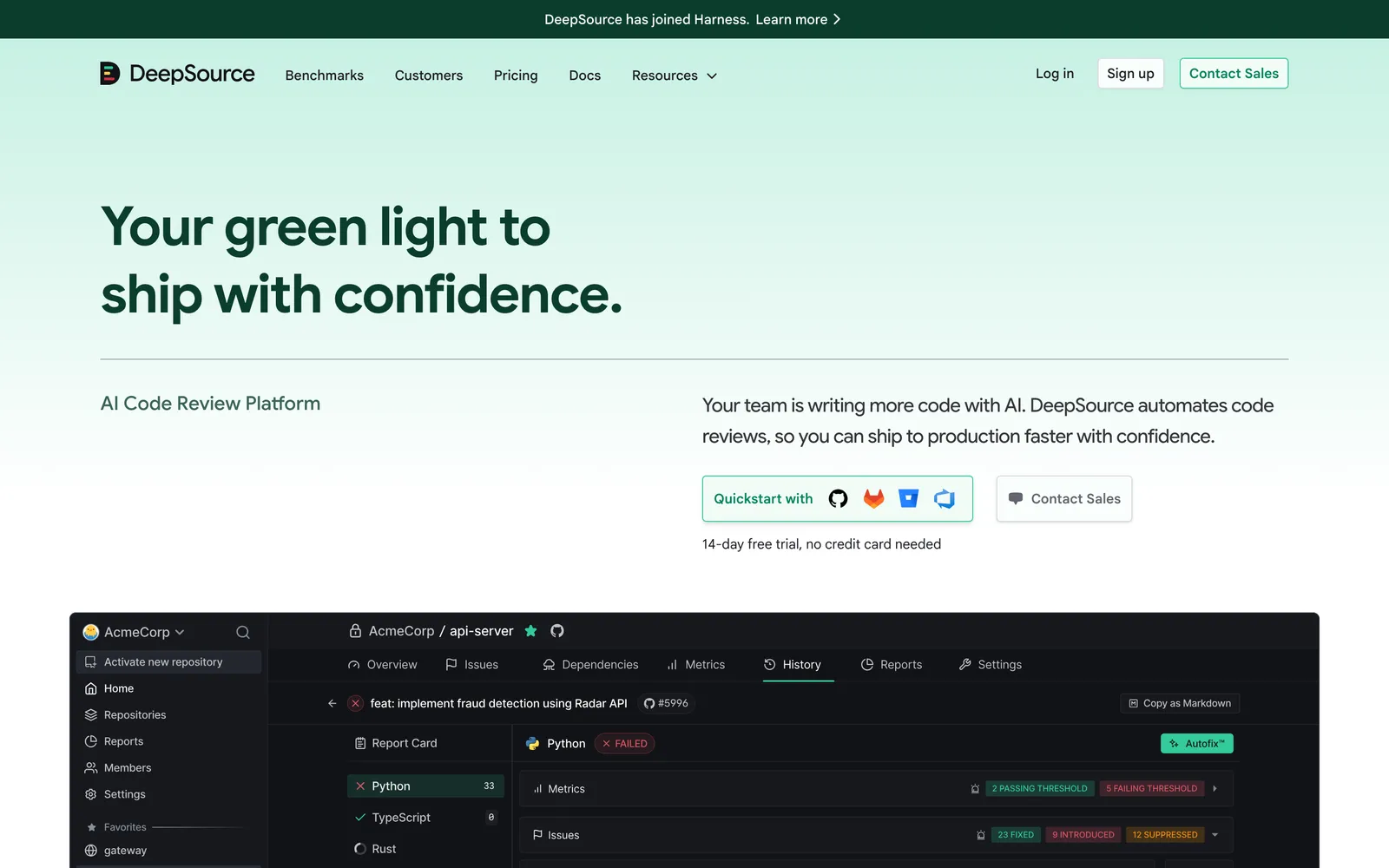
Harness acquired DeepSource on 9 September 2026. The announcement says existing workspaces keep working and that DeepSource's capabilities will move into the Harness platform over time, and the homepage banner reads "DeepSource has joined Harness" (read 22 September 2026).
DeepSource is the analyzers-first answer: deterministic static analysis and security scanning, Autofix, and an AI review layered on pull requests.
Read 20 September 2026 on the DeepSource pricing page: Team is $24 per user per month. AI Review and Autofix are metered separately, with a $100 annual credit per user, then $8 per 10,000 processed lines on standard or $15 on advanced. The trial runs 14 days with up to $50 in AI credits and no card.
The DeepSource documentation, read 22 September 2026, lists GitHub, GitLab, Bitbucket and Azure DevOps. Read the plan wording closely: the unlimited part covers the analyzers, not the AI review.
11. SonarQube
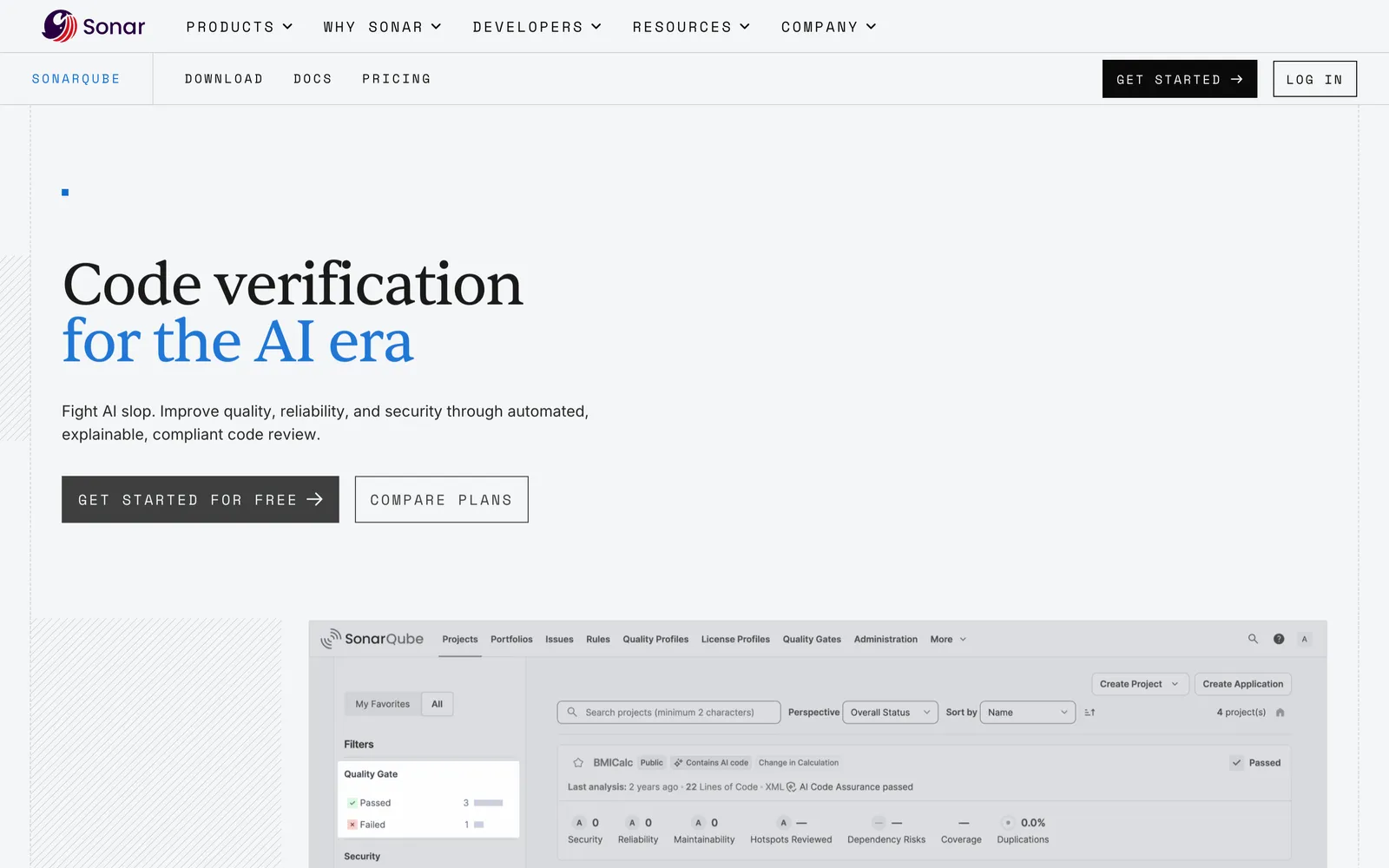
SonarQube is the self-managed answer. It is deterministic quality and security analysis with gates on branches and pull requests, sold as Cloud, a self-hosted Server and an open source Community Build.
Read 22 September 2026 on the SonarQube plans page: Cloud Team starts at $34 a month, discounted from $68, for up to 100,000 private lines of code, with other increments available. Server is priced per instance per year by lines of code. The free Cloud tier covers private projects up to 50,000 lines and does not expire.
It is not a conversational reviewer, so it will not reproduce Korbit's explanations. What it gives you is auditable rules and a gate you own.
A note on Snyk Code
Snyk Code is static application security testing rather than a like-for-like replacement, so it sits outside the list. Read 22 September 2026 on the Snyk plans page: Free is $0 a month with 100 Snyk Code tests a month. Team starts at $25 a month for teams of up to 10 developers, with 1,000 Code tests a month. Enterprise is a credit-based platform subscription priced through sales. Our guide to Snyk AI code review has the detail.
How to migrate from Korbit
Assume nothing transfers. No export or migration path is documented on any surviving page, and the application host does not resolve, so this is a rebuild.
Inventory hosts and repositories. List every Git host Korbit was connected to and every repository it reviewed. That list is the first filter on the table above, because several alternatives are GitHub only.
Write down the learned rules you can still see. Suppressions and custom policies lived in the Korbit Console, not in your repository. Recover what you can from recent pull request threads, then recreate those conventions as files in version control.
Find the required checks. Search branch protection for any status check named after Korbit. If Korbit stops reporting, a required check pointing at it blocks merges quietly. On 22 September 2026 its signup and docs hosts did not resolve.
List the reports people read. Korbit Insights fed release notes, stand-ups and sprint reviews. This comparison covers review, not reporting, so decide whether to replace those reports separately.
Re-check your security policies. Read the new vendor's trust page against the same list before code leaves your account.
Trial on merged pull requests first. Replay changes with known bugs and record useful findings, wrong findings and billed usage. Our guide on how to do code reviews using AI covers what to watch.
Make it a required check last. Run it in advisory mode until you know its false-positive rate on your own code, then revoke the Korbit app and clear stale webhooks and tokens.
The short verdict
Boost Security announced its acquisition of Korbit.ai in a post dated 6 May 2026. Korbit's signup and documentation hosts did not resolve and its get-started page returned 404 when we checked on 22 September 2026. The price cards still on its site are history. If its static review was doing the job, CodeRabbit is the closest replacement and Bito matches the old seat price. If you wanted the review to prove its findings, change category rather than vendor. Also useful: CodeReviewBot alternatives.
Frequently Asked Questions
What is Korbit AI code review?
Korbit was a pull request reviewer for GitHub, GitLab and Bitbucket. It read a change with project context, flagged issues, explained fixes, supplied replacement code and answered questions in the thread. It also wrote pull request descriptions, review summaries and manager reports through Korbit Insights.
Is Korbit AI still available in 2026?
Not in any way we could verify on 22 September 2026. The marketing site, the plan cards and the GitHub App listing still render, which makes it look available. The signup host app.korbit.ai and the docs host docs.korbit.ai returned no DNS record, and the get started page returned 404.
Did Korbit AI shut down or get acquired?
Boost Security announced the acquisition of Korbit.ai in a post dated 6 May 2026. Korbit has published no shutdown notice we could find. A competitor, CodeAnt, published a page dated 17 September 2025 saying Korbit announced it was shutting down operations, but that has no first-party confirmation.
Who owns Korbit AI now?
Boost Security says it acquired Korbit.ai and describes the technology as a code review solution with built-in AI Native SAST. Boost does not say on that page whether a product named Korbit remains for sale, and we found no evidence that it does.
How much did Korbit AI cost?
Its plan cards, read 20 September 2026, advertise Pro at $12 per user per month billed annually or $15 monthly, Max at $18 or $24, and Enterprise as custom. A user meant a git author. Treat them as historical: on 22 September 2026 the signup and docs hosts did not resolve and the get-started page returned 404.
Which Git providers and languages did Korbit support?
The site advertises GitHub, GitLab and Bitbucket, with per-repository access on GitHub and workspace access on Bitbucket. The FAQ claims over 13 programming languages and frameworks and points at documentation for the list. That documentation host no longer resolves, so the list cannot be checked.
What were Korbit's review and concurrency limits?
The FAQ states two scans in parallel on Pro, with a queue that started the next scan as capacity freed, and says the limit could be raised on request. Max advertised higher limits for large pull requests and concurrent reviews without publishing numbers.
What is the closest Korbit alternative?
CodeRabbit, for teams that liked what Korbit did. It is the same shape of product across GitHub, GitLab and Bitbucket, plus Azure DevOps. Expect a higher seat price: Essentials is $24 per developer per month billed annually, read 20 September 2026, against Korbit Pro's historical $12.
Which Korbit alternatives are free or self-hosted?
Greptile is free for one active developer with 50 credits a month. Qodex has a free plan covering 20 reviewed pull requests per developer a month, for up to 2 developers. CodeRabbit is free for public repositories. On self-hosting, Qodo Enterprise offers single-tenant or on-premises, Bito publishes a $5 per seat add-on, and SonarQube Server and Community Build are self-managed by design.
Can Korbit rules, reports or learned preferences be migrated?
We found no published export or migration path, and the application host no longer resolves, so there is nothing documented to export from. Recover what you can from pull request threads, keep any configuration you still hold locally, and recreate the rules in your replacement as files in the repository.